
Introduction
When your hair starts falling more than usual, looking dull, or feeling brittle, the first instinct is often to blame products or weather. But one of the biggest influences on your hair’s health is often overlooked: what you eat
Your hair is made from nutrients you get through food. If your body isn’t getting enough of the right ones — or absorbing them properly — it can start showing up in your strands.
Let’s break down how food and nutrition affect hair growth, texture, and strength, and how small diet changes can help bring balance back.
Why Your Hair Needs the Right Fuel
Hair is made of keratin, a type of protein. For your body to build it, it needs a steady supply of amino acids, vitamins, minerals, and healthy fats.
When the body doesn’t get what it needs, it focuses on the essentials (like keeping your heart and brain functioning), and hair growth gets pushed to the bottom of the list.
Even slight changes in weather can throw off your scalp’s balance and lead to dryness, irritation, breakage, or hair fall.
Problem 1: Low Protein Intake
What Happens
Protein is the building block of hair. If you’re not eating enough, or your meals are too carb-heavy, your body has less material to work with.
What You Might Notice
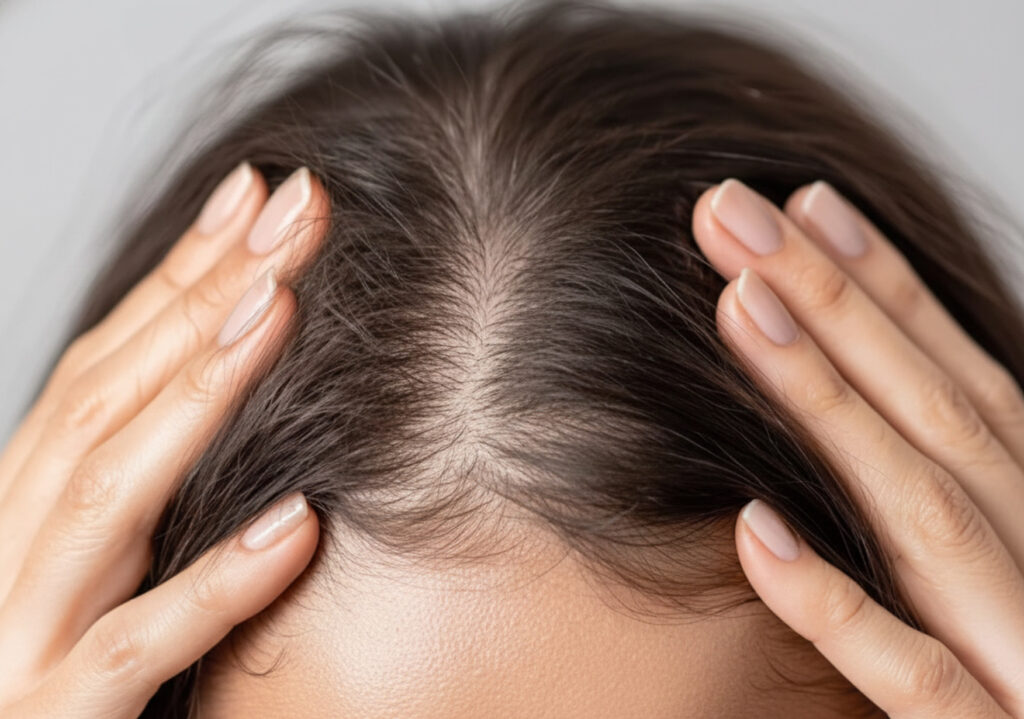
- Weak, thin, or slow-growing hair
- Hair breaks or splits easily
- A flat, lifeless look
What You Might Notice
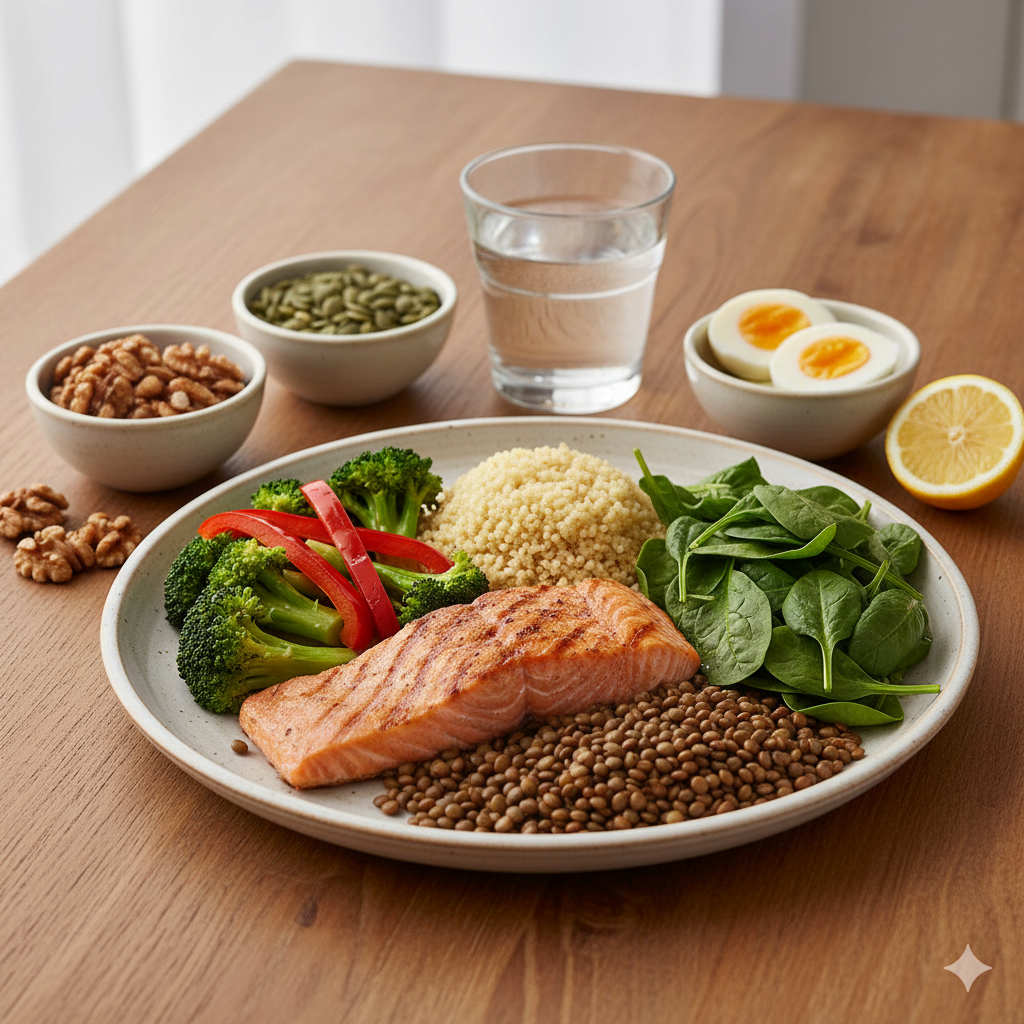
Include a source of protein in every meal. Try:
- Lentils, beans, or chickpeas
- Eggs
- Tofu or paneer
- Quinoa
- Nuts and seeds
Even small additions — like a spoon of nut butter or seeds sprinkled on a meal — can help.
Problem 2: Iron Deficiency
What Happens
Iron helps carry oxygen to your scalp and hair roots. Low iron means less oxygen gets delivered, which can weaken the follicle.
What You Might Notice
- More hair in the comb or drain
- Overall thinning
- Feeling tired often
What Helps
Include iron-rich foods like:
- Leafy greens (spinach, amaranth)
- Pumpkin seeds
- Lentils
- Quinoa
- Dried fruits like apricots or raisins
Even small additions — like a spoon of nut butter or seeds sprinkled on a meal — can help.
Problem 3: Too Few Calories or Crash Dieting
What Happens
When your body doesn’t get enough energy from food, it conserves resources. Hair growth slows or stops until your intake improves.
What You Might Notice
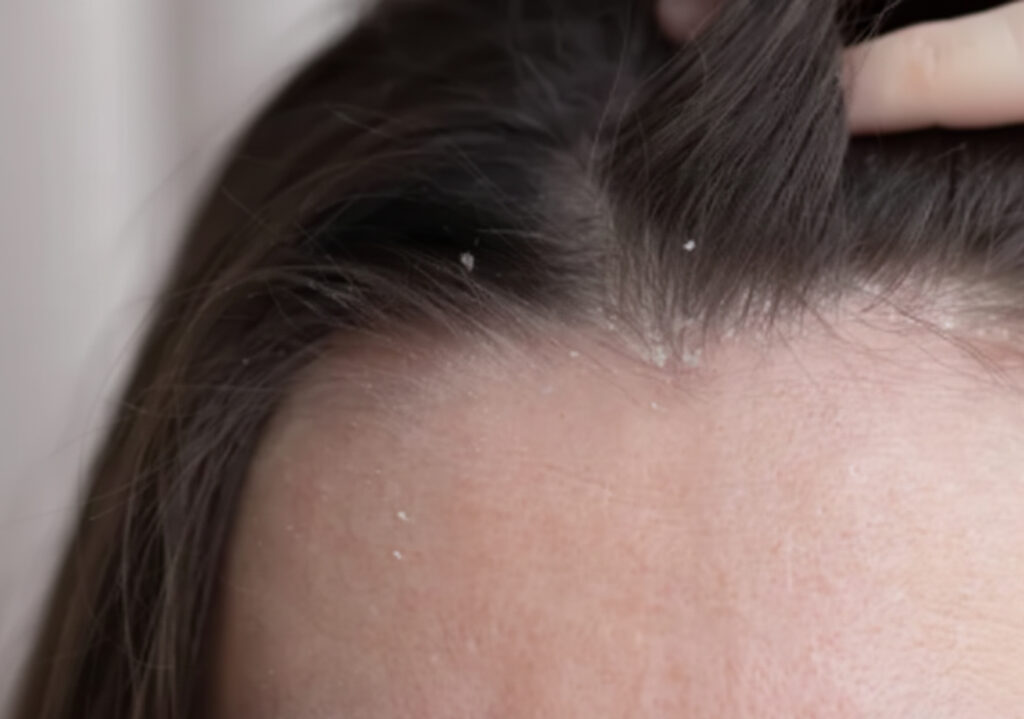
- Sudden increase in hair fall
- Dry, brittle strands
- Feeling cold, lightheaded, or irritable
What Helps
Focus on balanced, consistent meals that include:
- Complex carbs (brown rice, oats, sweet potatoes)
- Healthy fats (nuts, seeds, avocados)
- Enough overall calories to support energy and repair
Skipping meals or eating too little for long periods can slow down your hair cycle.
Problem 4: Lack of Key Vitamins and Minerals
What Happens
Your body needs specific vitamins and minerals to grow strong, shiny hair. Even a small deficiency can affect how your hair looks and feels.
What You Might Notice
- Dry scalp
- Slower growth
- Dull color or early greying
What Helps
Focus on variety. These nutrients are especially important:
Nutrient
Food Sources
Vitamin B12
Eggs, dairy, fortified cereals
Vitamin D
Mushrooms, sunlight, fortified foods
Zinc
Whole grains, legumes, nuts, pumpkin seeds
B Vitamins
Oats, leafy greens, bananas, whole wheat
Try to eat the rainbow — the more colorful and varied your plate, the better your intake.
Problem 5: Not Drinking Enough Water
What Happens
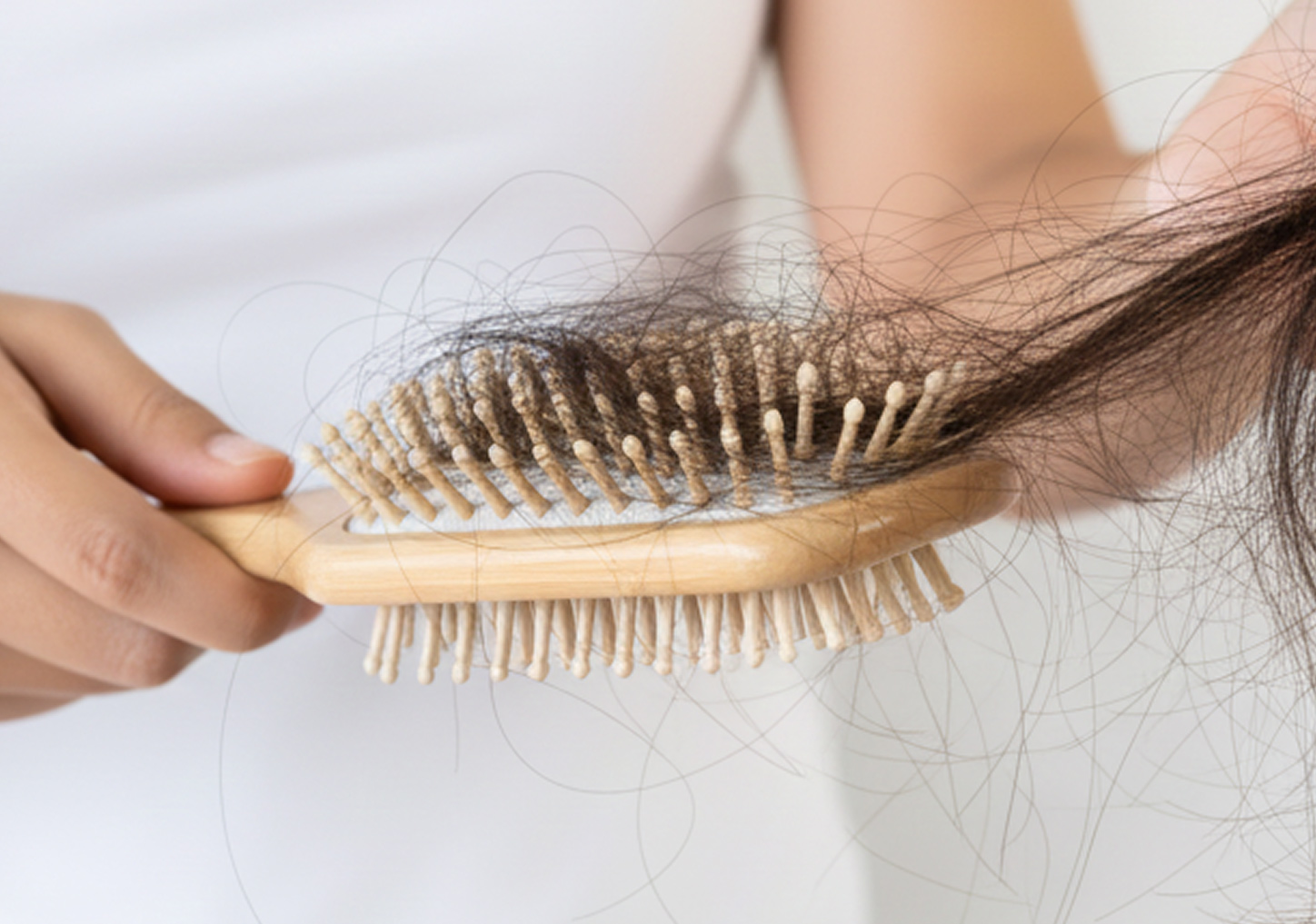
Dehydration can affect your scalp just like your skin — making it dry, tight, or flaky. It also impacts how nutrients are transported in your body.
What You Might Notice
- Itchy or flaky scalp
- Hair that looks dull or frizzy
- Feeling tired or sluggish
What Helps
Drink water regularly throughout the day. You don’t have to overdo it — just aim for 6–8 glasses spread out, and include:
- Coconut water
- Fruit-infused water
- Water-rich foods like cucumber, watermelon, and oranges
Problem 6: Poor Gut Health = Poor Nutrient Absorption
What Happens
Even if you’re eating well, your gut has to absorb the nutrients. If digestion is off, your hair won’t get what it needs.
What You Might Notice
- Hair fall even with a good diet
- Bloating or irregular digestion
- Tiredness, brittle nails
What Helps
Support digestion with:
- Fermented foods (like yogurt, sauerkraut, or kanji)
- Chewing your food well
- Eating slowly and mindfully
- Avoiding overeating processed or fried foods
When your gut is balanced, your hair often follows.
Final Thoughts
You don’t need a perfect diet or expensive food plan to grow strong, healthy hair. But if your body isn’t getting (or absorbing) the basics — protein, iron, B vitamins, healthy fats, and water — your hair will feel it.
Focus on eating enough, eating often, and eating a wide variety of foods that your body recognizes and can use.
Your hair is a reflection of your nourishment. Feed it well — from the inside out.
Related articles
-
GLP-1 Hair Loss: Why it happens, and the Natural Solution That Actually Helps
GLP-1 medications like Ozempic, Wegovy, and Mounjaro are changing lives: improving metabolic health, supporting weight loss, and stabilizing blood sugar. But for many women,…
-
Why I Trust This Natural Formula for Hair Growth: Backed by Clinical Science.
You may know me from my work helping women restore confidence in their hair and skin — bridging medical science with everyday care that…
-
Is Your Hair Showing These Signs? Doctor Explains Why Early Thinning Shouldn’t Be Ignored.
When “a few extra strands” is more than just stress. In my clinic, I often meet women who sit across from me and say,…
-
The science of thinning hair: Understanding female hair loss
Over 40% of women face hair loss by the age of 50. Nature’s science can restore hair and confidence both. Hair is often considered…
