
Introduction
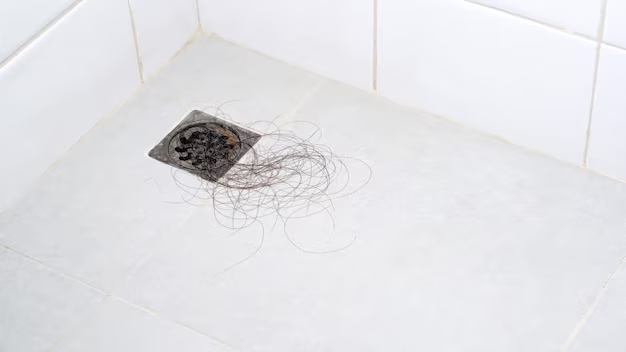
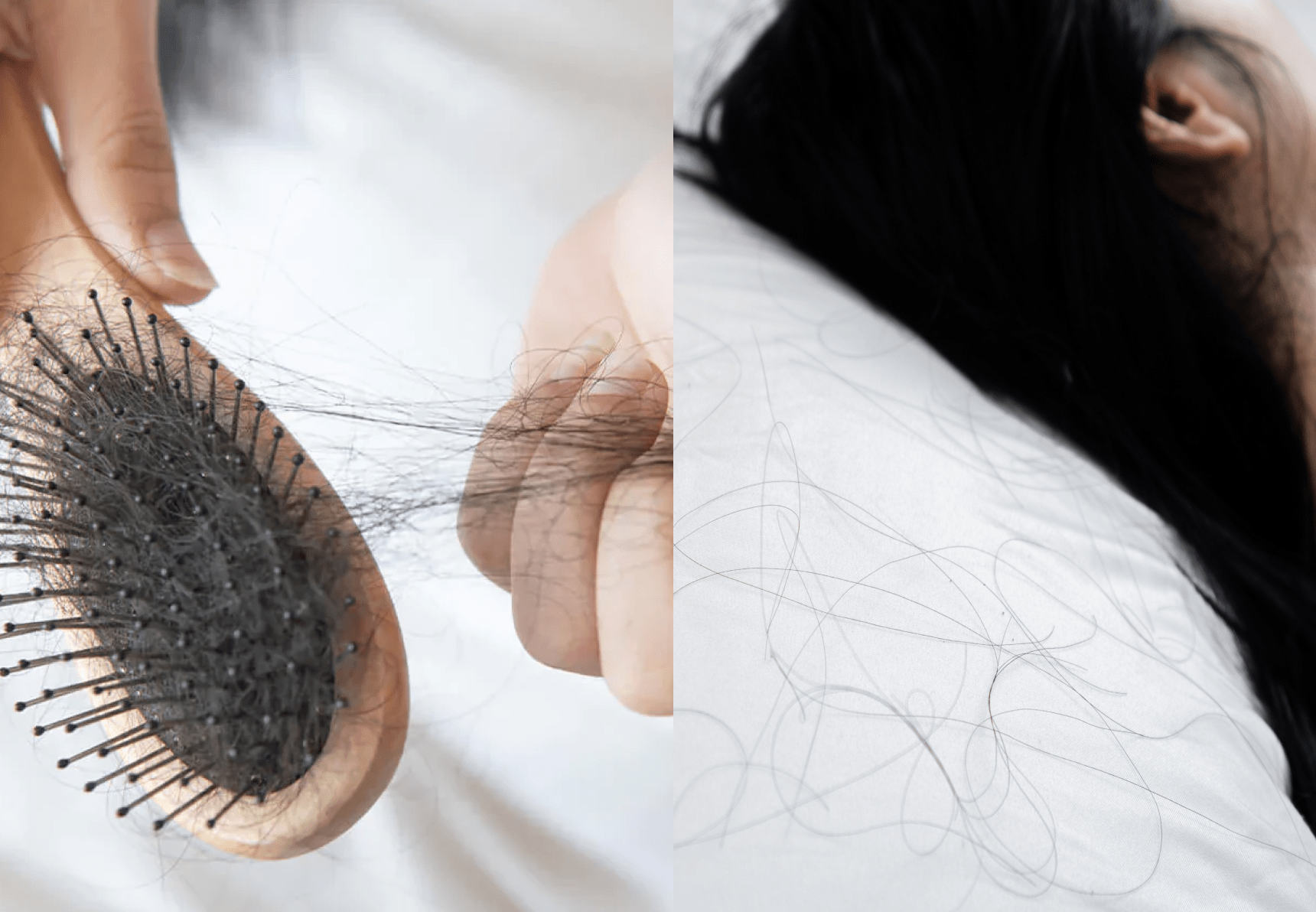
Hair fall is one of the most frustrating health concerns — especially when it feels sudden or unexplained. While hereditary factors (like male or female pattern baldness) are well-known, many people experience excessive shedding due to completely preventable lifestyle habits.
Whether your hair is thinning at the crown, falling out in the shower, or simply not growing like it used to — understanding the root cause is the first step toward healthier, stronger strands. Let’s explore 7 common but often ignored causes of hair fall and how to address them naturally.
1. Nutrient Deficiencies: The Silent Disruptor
Hair is made primarily of a protein called keratin, and like any structure in the body, it needs the right building blocks to grow. Iron, vitamin D, zinc, biotin and B12 are all vital for follicle strength and hair production.
Why It Happens
Poor diets, chronic stress, or restrictive eating can lead to low nutrient absorption. Even if you eat well, digestive issues (like IBS or leaky gut) may prevent proper uptake of vitamins.
What You Can Do
- Add iron-rich foods like spinach, legumes, and pumpkin seeds
- Spend time outdoors to support natural vitamin D synthesis
- Consider a blood test to identify and correct deficiencies
You don’t need to be perfect — just pick one small calming habit you can stick with.
2. Overwashing or Using Harsh Hair Products
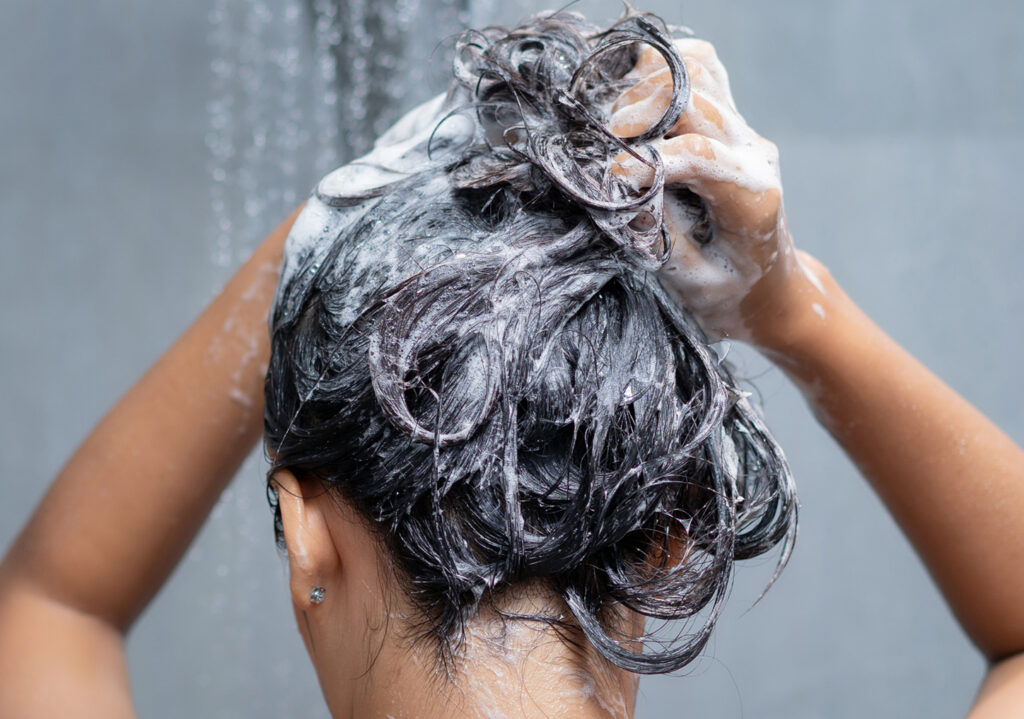
While cleanliness is important, washing your hair too often or using products with harsh chemicals can damage the scalp’s protective barrier. Common irritants include:
- Sulfates (like sodium lauryl sulfate)
- Alcohol-based styling sprays
- Silicones that create buildup over time
The Problem
These ingredients strip away natural oils, leading to dryness, inflammation, and eventually follicle damage.
Tips to Try
- Choose sulfate-free, pH-balanced shampoos
- Wash hair 2–3 times a week unless your scalp gets extremely oily
- Avoid using very hot water — lukewarm is best
3. Tight Hiarstyles and Physical Tension on Hair Roots
Repeatedly wearing tight ponytails, buns, or braids pulls on the hair shaft and puts stress on the roots. Over time, this can lead to traction alopecia, a form of hair loss caused by mechanical stress.
Signs to Watch For
- Thinning along the hairline
- Scalp tenderness
- Short broken hairs around the forehead
What You Can Do
- Alternate with loose hairstyles
- Sleep with your hair open or in a loose braid
- Use soft, fabric hair ties instead of elastic bands
4. Sleep Deprivation and Chronic Stress
When you’re not sleeping enough, your body enters a constant state of stress — and one of the first systems to shut down is hair growth.
How Stress Affects Hair
- It elevates cortisol, which disrupts the normal hair growth cycle
- It may trigger telogen effluvium, a condition where large numbers of hair follicles enter the resting (shedding) phase prematurely
- It reduces nutrient absorption and blood flow to the scalp
Small Daily Changes
- Stick to a consistent sleep schedule
- Avoid caffeine late in the day
- Try short meditations or walks to manage stress levels

5. Poor Scalp Hygiene and Build-Up
You might focus on shampooing your hair — but how often do you care for your scalp?
Why Scalp Care Matters
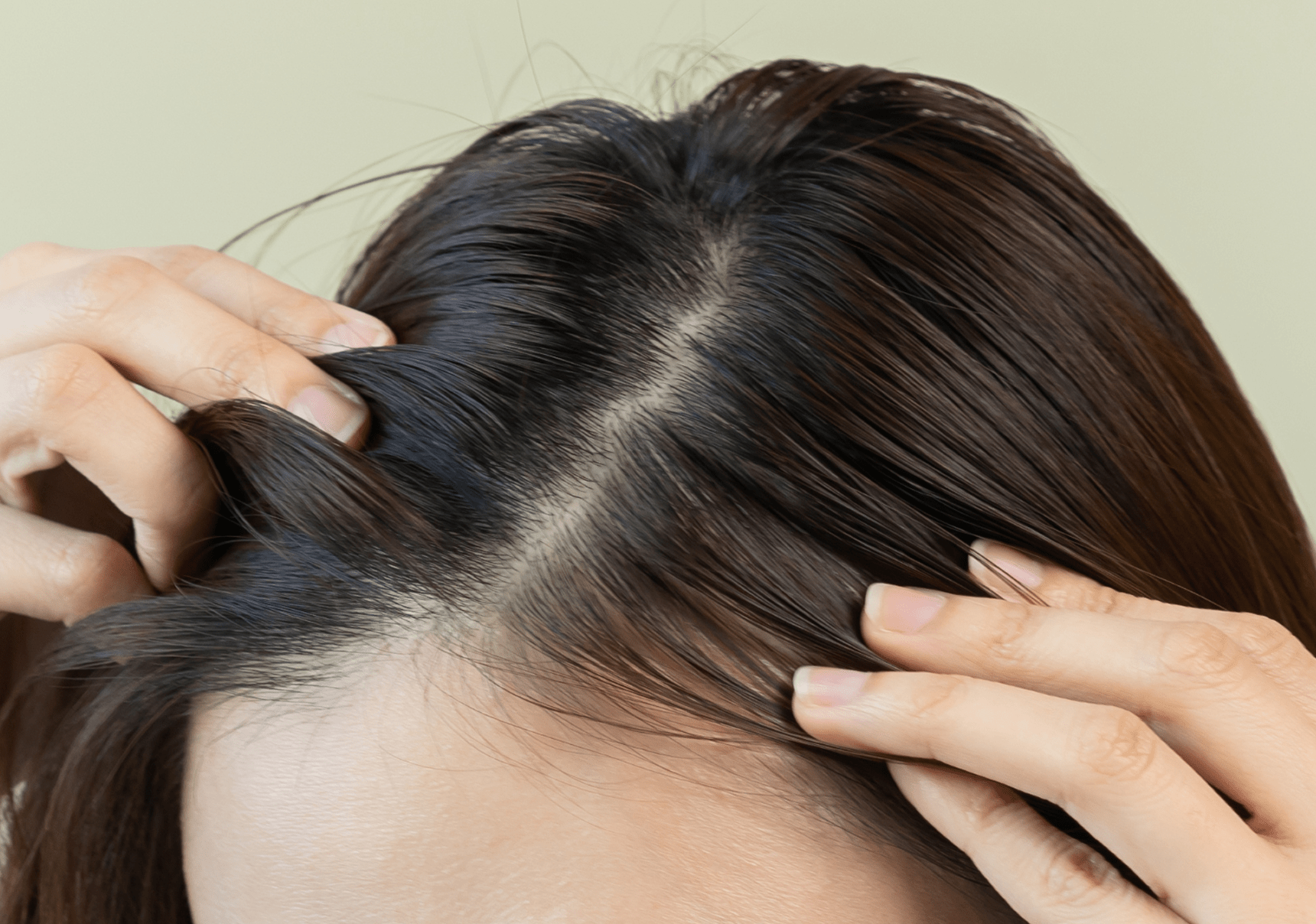
The scalp is skin, too. If it’s clogged with dead cells, sweat, product buildup, or pollution, hair follicles can get suffocated. This reduces the quality of hair being produced and may lead to itching, flaking, or visible thinning.
How to Improve Scalp Health
- Exfoliate once a week with a gentle scalp scrub or brush
- Apply light scalp oils that nourish without clogging (like almond or jojoba)
- Avoid tight hats for long durations that trap heat and sweat
6. Sudden Weight Loss or Crash Deits
Going on extreme diets or fasting without professional guidance can lead to shock-induced hair fall. This often shows up 1–3 months after the event.
What Happens
- The body redirects energy away from non-essential functions (like hair growth)
- Reduced fat intake affects hormone balance, including estrogen and thyroid — both important for healthy hair
- Protein deficiencies slow keratin production
How to Recover
- Eat a balanced plate: complex carbs, healthy fats, and lean proteins
- Aim for gradual weight loss, if needed
- Add foods rich in omega-3s (like flaxseeds or walnuts) to support the scalp barrier
7. Heat Styling, Bleaching, and Chemical Treatments
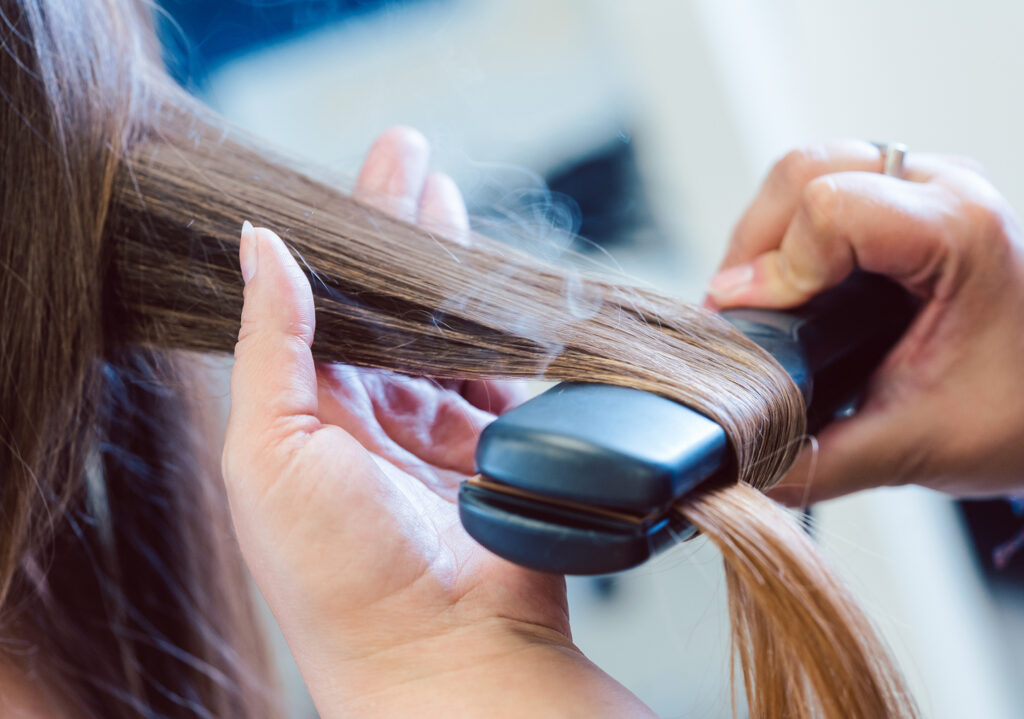
Daily styling habits can weaken hair over time. Excessive heat, frequent coloring, or keratin treatments can break down the structure of the hair shaft.
Damage Checklist
- Split ends
- Dry, brittle texture
- Hair that breaks when brushed wet
Safer Styling Practices
- Always apply a heat protectant spray before using hot tools
- Let your hair air dry partially before blow-drying
- Use a deep-conditioning mask weekly to replenish moisture
Final Thoughts
Hair fall doesn’t happen overnight — but neither does regrowth. If you’re noticing more strands on your pillow, in the shower, or thinning around the temples, start by evaluating these seven often-ignored lifestyle factors.
By addressing the root causes early, you give your hair the best chance to grow back healthier, stronger, and naturally fuller.
Related articles
-

GLP-1 Hair Loss: Why it happens, and the Natural Solution That Actually Helps
GLP-1 medications like Ozempic, Wegovy, and Mounjaro are changing lives: improving metabolic health, supporting weight loss, and stabilizing blood sugar. But for many women,…
-
Why I Trust This Natural Formula for Hair Growth: Backed by Clinical Science.
You may know me from my work helping women restore confidence in their hair and skin — bridging medical science with everyday care that…
-
Is Your Hair Showing These Signs? Doctor Explains Why Early Thinning Shouldn’t Be Ignored.
When “a few extra strands” is more than just stress. In my clinic, I often meet women who sit across from me and say,…
-
The science of thinning hair: Understanding female hair loss
Over 40% of women face hair loss by the age of 50. Nature’s science can restore hair and confidence both. Hair is often considered…
