
Introduction
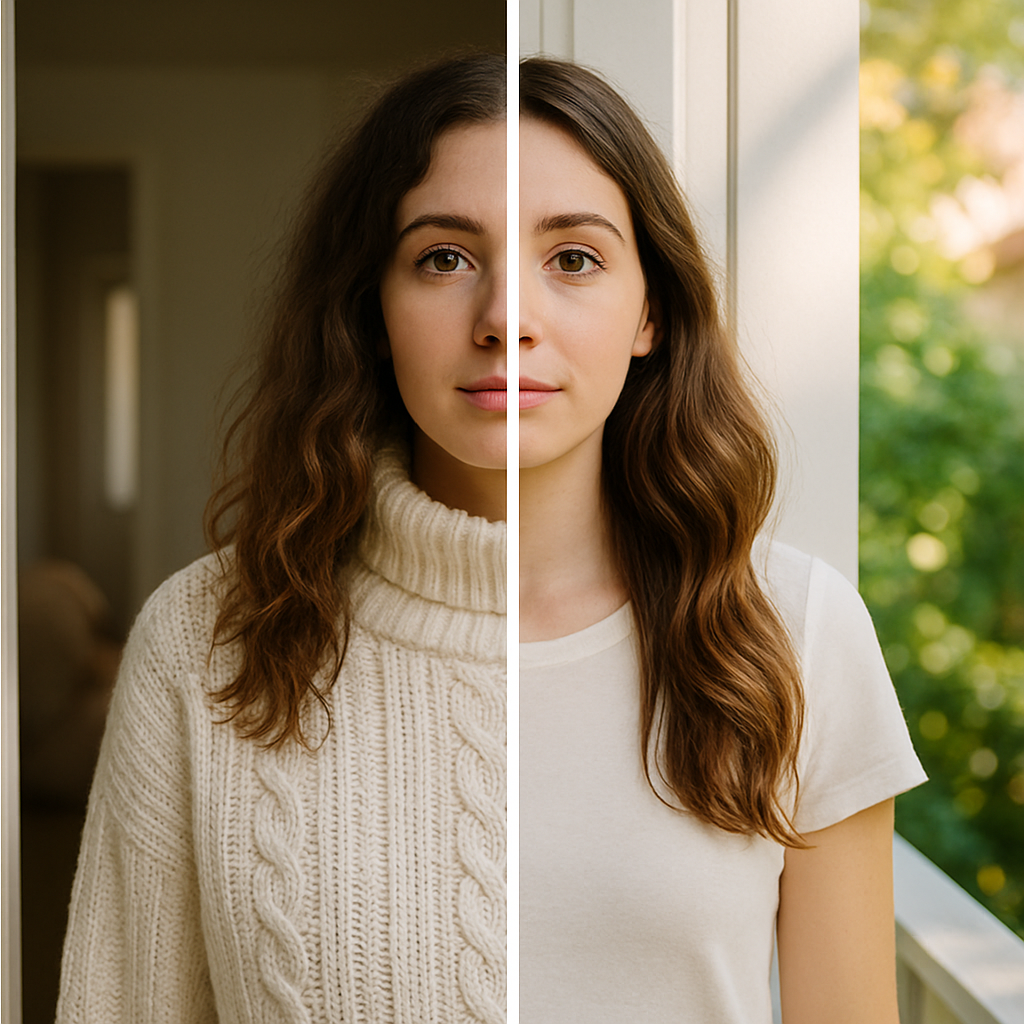
You may have noticed it: more frizz during monsoon, dry ends in winter, or extra shedding during autumn. Just like your skin, your hair and scalp respond directly to changes in weather — from humidity and UV exposure to wind and temperature swings.
Understanding how each season impacts hair health helps you stay ahead with the right care routine. In this guide, we break down what happens to your hair during each major season and how to adapt.
Why Weather Affects Hair
Hair is made primarily of a protein called keratin, and though it’s technically dead, the scalp that produces it is very much alive — and sensitive. Seasonal shifts can affect:
- Scalp oil production-free
- Moisture retention in the hair shaft
- Exposure to UV rays, pollution, or wind
- Hormonal responses to light or temperature
Even slight changes in weather can throw off your scalp’s balance and lead to dryness, irritation, breakage, or hair fall.
Spring: A Time of Transition (and Shedding)
While cleanliness is important, washing your hair too often or using products with harsh chemicals can damage the scalp’s protective barrier. Common irritants include:
What Happens
- Increased daylight triggers hormonal shifts, which can temporarily accelerate shedding
- Allergies and airborne particles may cause scalp sensitivity
- As temperatures rise, sweat and oil production increase, especially on the scalp
Spring Hair Tips
- Use a clarifying shampoo, once a week to remove pollen, sweat, and buildup
- Gently exfoliate the scalp to improve circulation
- Start using lightweight scalp oils to manage early humidity without heaviness
Summer: UV, Sweat, and Oxidative Stress
What Happens
- UVA and UVB rays damage the hair cuticle and scalp cells, leading to dryness and inflammation.
- Saltwater and chlorine strip moisture from the hair shaft
- Sweat and sebum increase, which can clog follicles and trigger hair fall if not cleansed properly
Summer Hair Tips
- Wear a hat or scarf to protect from direct sun
- Use hair products with UV filters or antioxidant-rich herbs like amla
- Wash your scalp regularly with a gentle, cooling cleanser
- Deep condition weekly to replenish lost moisture
Monsoon: High Humidity, Flat Hair, and Fungal Risk
What Happens
- Humidity causes frizz, loss of volume, and limp strands
- Rainwater often contains pollutants that irritate the scalp
- Damp conditions create a breeding ground for fungal infections, like dandruff or itching
Monsoon Hair Tips
- Avoid leaving hair damp — always dry your roots thoroughly
- Use anti-fungal scalp tonics or herbal rinses with neem or tea tree
- Keep hair loosely tied to reduce tangling and breakage

Autumn: The “Shedding Season”
What Happens
- Many people report increased shedding in autumn, linked to natural hair growth cycles and reduced sun exposure
- Cooler air can make the scalp more sensitive or flaky
- Indoor heating begins to dry out the air and your hair
Autumn Hair Tips
- Focus on scalp nourishment with almond oil or scalp serums
- Gently massage to stimulate follicle activity
- Use silk pillowcases to reduce friction and breakage
Winter: Dryness, Dullness, and Static
What Happens
- Cold air outside and dry indoor heating both pull moisture from hair and scalp
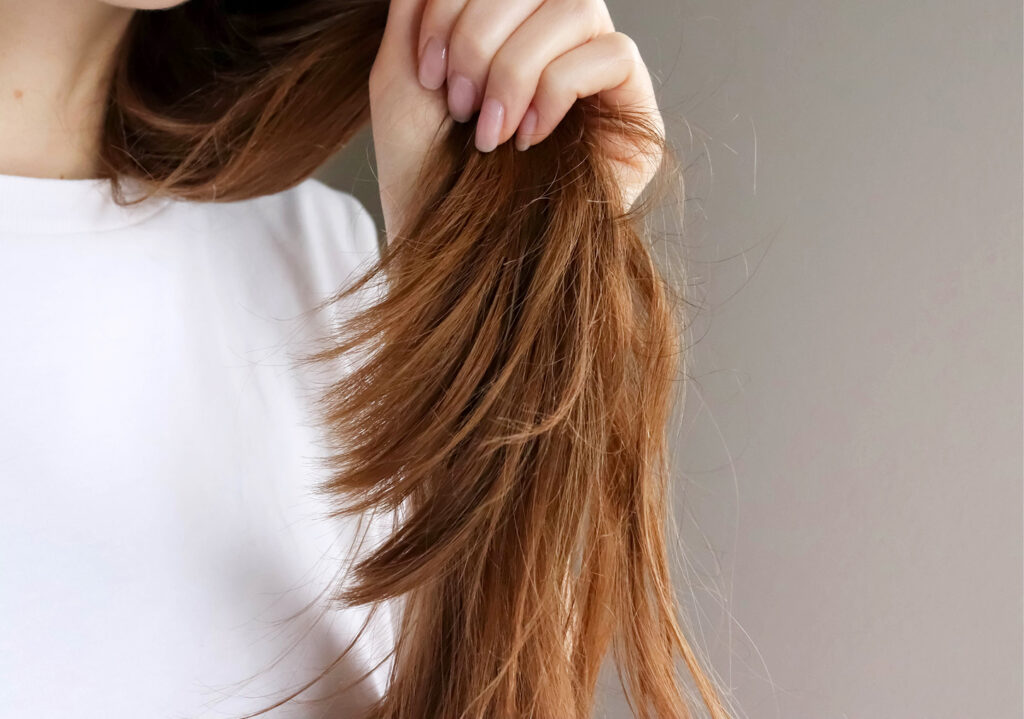
- Hair becomes more prone to static, split ends, and brittleness
- Many experience itchy scalp, flaking, or tightness
Winter Hair Tips
- Switch to a richer conditioner or weekly hair masks
- Apply a small amount of leave-in oil to mid-lengths and ends
- Use a humidifier at home to protect skin and hair from drying out
- Avoid over-brushing — it increases static and breakage
Tips for Year-Round Hair Health
Regardless of the season, these simple habits can help balance your scalp and strengthen your strands:
1. Listen to Your Scalp
Tightness, itching, or flakes are signs your scalp needs attention — just like facial skin.
2. Rotate Products
Use a clarifying shampoo monthly, a hydrating one weekly, and a scalp treatment as needed based on the weather.
3. Cover Up
Don’t underestimate physical protection — from wool beanies in winter to wide-brimmed hats in summer.
4. Hydrate and Nourish
Drinking water, eating seasonal fruits, and supporting your body with the right nutrients helps balance the hair cycle from within.
Final Thoughts
Seasonal changes are a natural part of life — but they don’t have to mean constant bad hair days. By tuning into how each season affects your scalp and strands, and adjusting your care routine just slightly, you can maintain healthier, more resilient hair year-round.
Related articles
-
Doctor Ranks Top 3 Trending Hair Growth Solutions. Only One Hit 85% Success.
It’s natural to feel doubtful. The internet is full of “breakthrough” hair growth remedies that trend for a moment, only to collapse when tested…
-
Stress and Hair Fall: What the Research Says
Introduction “Have you ever gone through a stressful time and noticed more hair on your pillow, in the shower, or stuck in your brush?…
-
Could Your Diet Be Affecting Your Hair Health?
Introduction When your hair starts falling more than usual, looking dull, or feeling brittle, the first instinct is often to blame products or weather.…
-
7 Common Causes of Hair Fall You Might Be Ignoring
Introduction Hair fall is one of the most frustrating health concerns — especially when it feels sudden or unexplained. While hereditary factors (like male…
