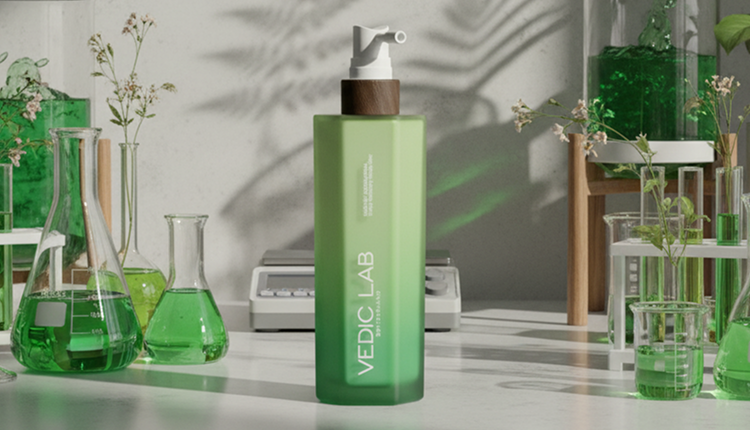
Category: Uncategorized

  • Why this award-winning 
‘Hair Loss Elixir’ keeps selling out?

    Why this award-winning 
‘Hair Loss Elixir’ keeps selling out?

    The Hair-Loss Elixir That Keeps Selling Out: Why Do Thousands of Women Still Swear By It?


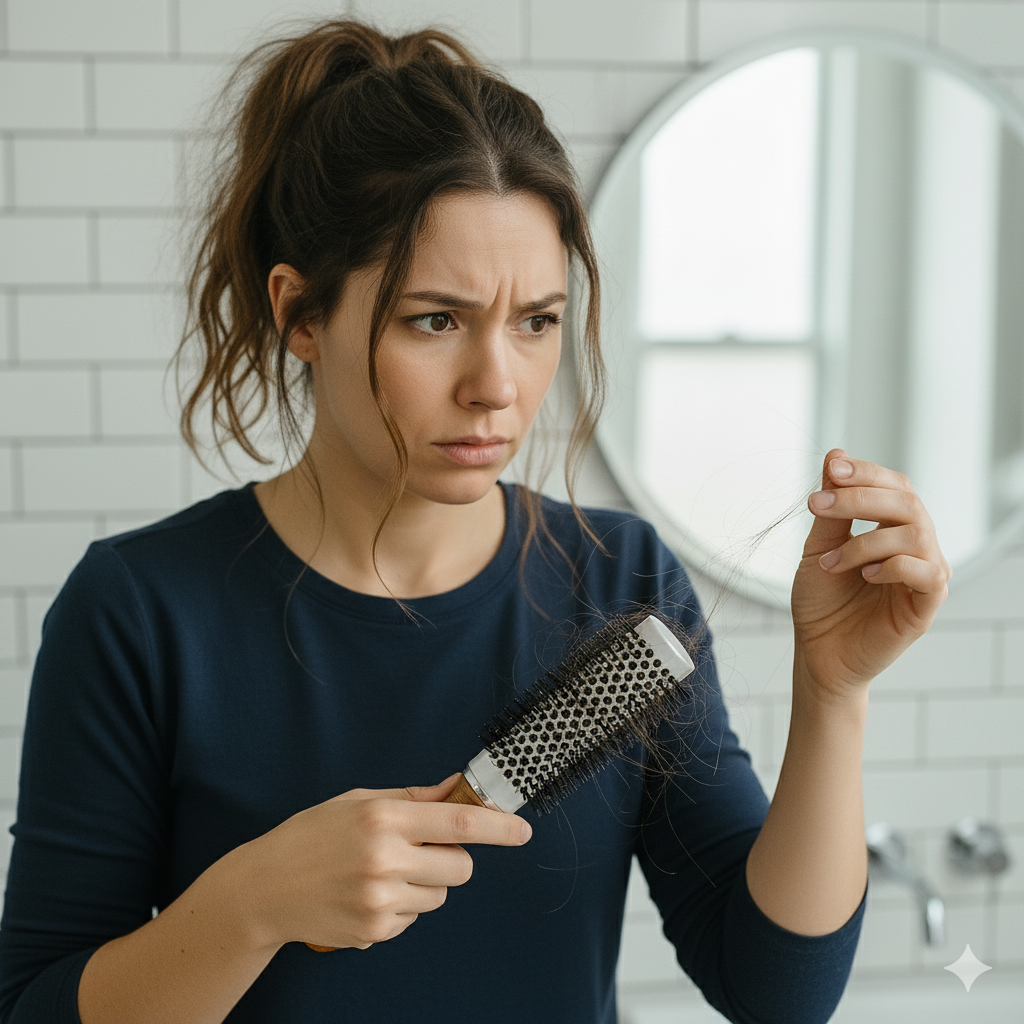
    If you’ve been online recently, you’ve likely seen the buzz around an award-winning scalp elixir (a serum for stronger hair) that claims to stop hair thinning at the root level.


    At first glance, it sounds like another “miracle” product in an already crowded market. But after


    • Investigating the science,
    • speaking to trichologists,
    • and hearing from many women who have tried it,


    But why? and what makes this Scalp Elixir different from anything else available today? Let’s find out.
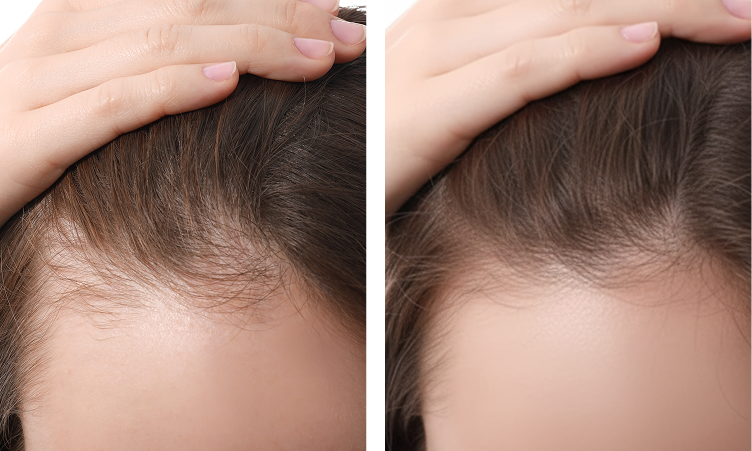


    Why Everyone Is Suddenly Talking About This Scalp Elixir For Hair Loss?


    Most products built around hair loss focus only on the hair strand: thickening sprays, volumizing shampoos, caffeine boosters.


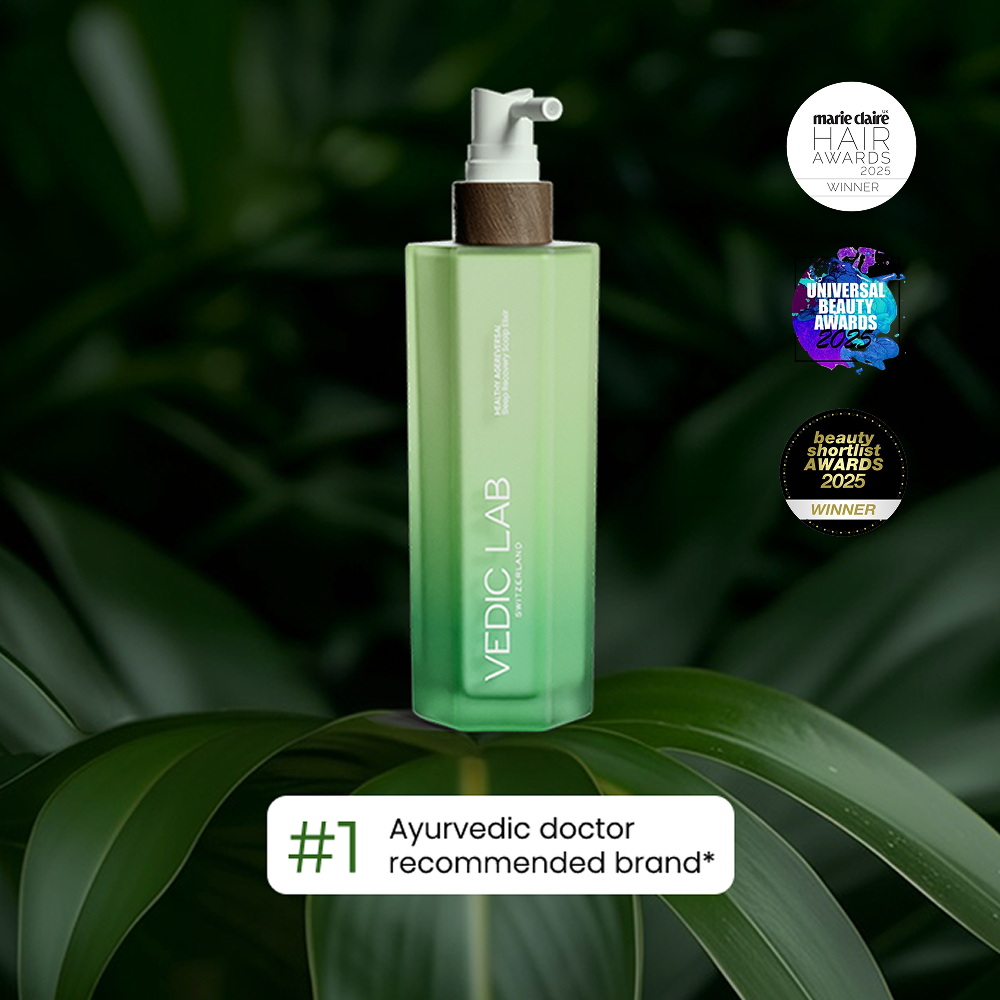
    The VEDIC LAB Scalp Elixir focuses on what matters most for hair strength: the roots.


    Its approach is very intelligent: to rebuild the scalp ecosystem at night, when the body’s cellular repair peak naturally occurs.


    The brand behind it, VEDIC LAB, was founded by Swiss science and Ayurvedic team of experts who believed that women deserve a solution that is:

    • Root-focused
    • Hormone-friendly
    • Free from fillers and water
    • Built for long-term regeneration
    • Gentle enough for daily use

    The method is simple yet profound:
Treat the scalp like skin—repair it, nourish it, and strengthen its internal architecture.
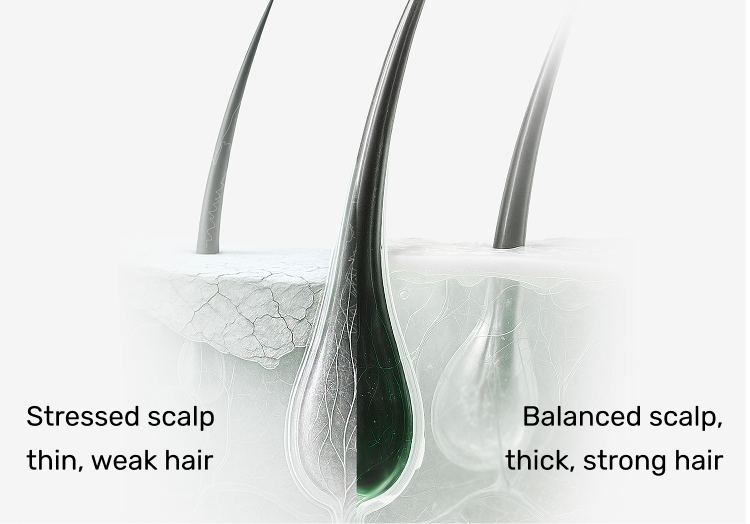

    The Unique 99%+ Natural Formula That Has Won 10+ International Awards


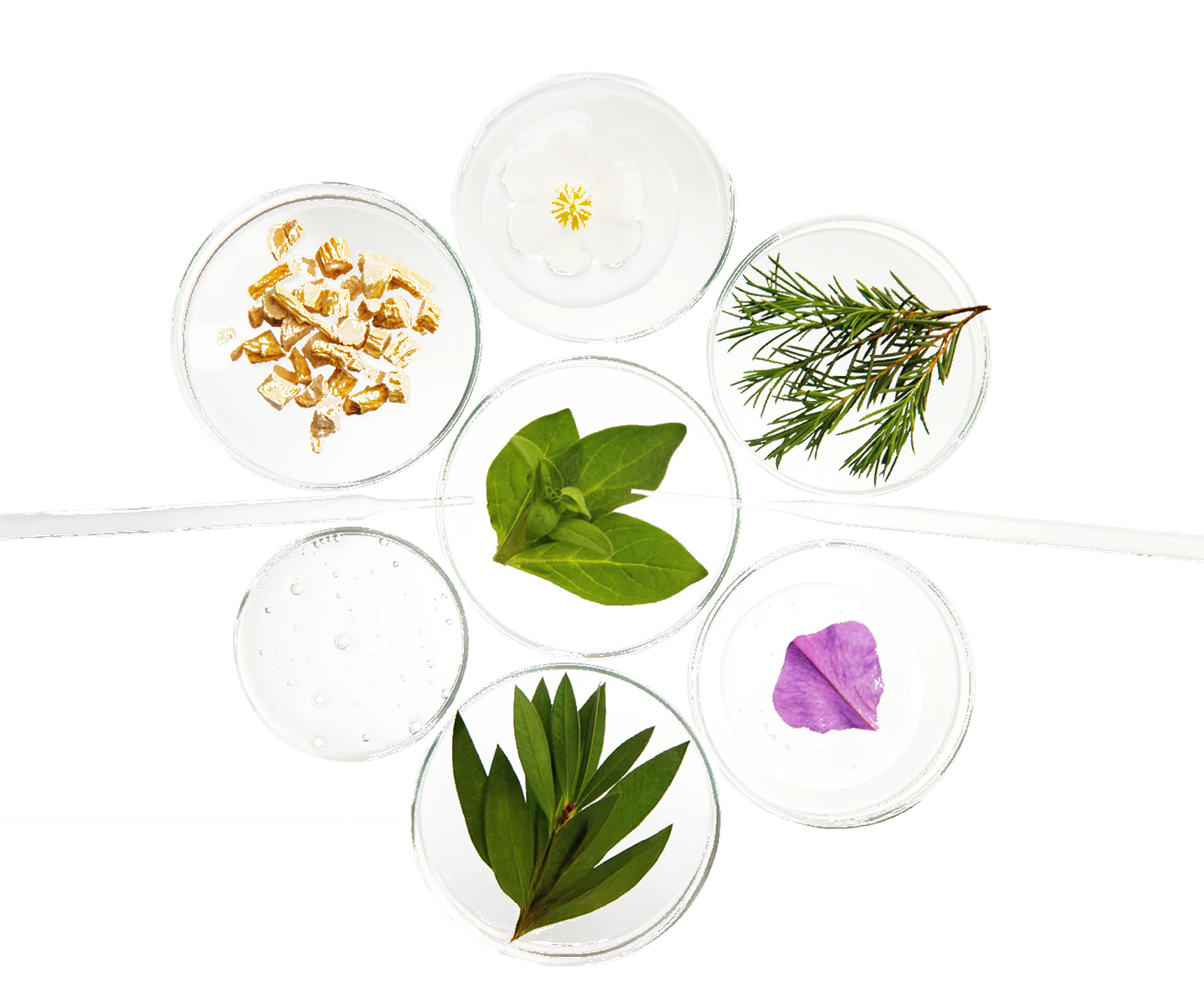
    Where most brands use harsh pharmaceutical ingredients, the VEDIC LAB Scalp Elixir combines a highly concentrated set of clinically proven Ayurvedic botanicals, and immerses them inside a vitamin-rich almond milk base (not water or oil like others). All of this, with their Swiss quality standards.
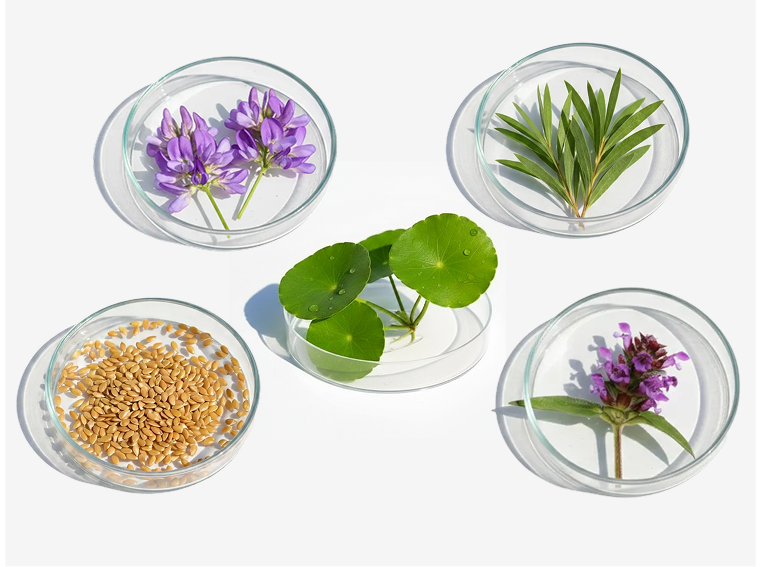

    Each ingredient performs a distinct function:

    • Adaptogenic Self Heal Herb

      Shown to improve microcirculation and support healthy follicle cycles. Nature’s alternate to Minoxidil for hair growth.
    • Pigment-rich Golden Flaxseed
      Helps with hair density, elasticity, and natural shine.
    • 99%+ pure Bakuchiol
      A natural retinol alternative that boosts cell turnover without irritation.
    • Bioavailable Brahmi
      Supports scalp barrier integrity, especially for stressed or thinning hair. Nature’s peptides.
    • Upcycled Tea Tree
      Soothes the scalp without stripping, supporting a balanced scalp biome.

    Together, these ingredients form a reparative night ritual that feels luxurious but performs like clinical care with proven results.


    Does It Actually Work? Short answer: YES

    1. Dermatologist-endorsed


    The formula is reviewed by doctors and trichologists who highlight the brand’s “rare combination of high potency and high scalp tolerability”, making it effective yet gentle.

    2. From women who’ve tried everything


    A recurring pattern we saw: women who had used minoxidil, rosemary oil, biotin, supplements, mesotherapy, caffeine serums—but saw their first real results – withouth harshness – with VEDIC LAB.
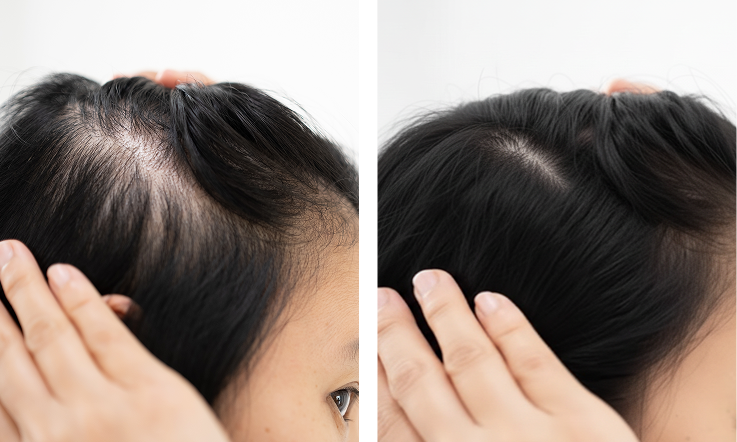
    3. Independent awards


    The Elixir won multiple industry awards for innovation, sustainability, and performance—rare for a product with new technology.

    4. Real-world results


    Users reported:

    • Reduced shedding
    • Fuller roots
    • Thicker ponytails
    • More nourished scalp
    • Better sleep quality due to the night ritual itself

    5. Clinical study: lab results


    Led by independent dermatologists in Milan, the clinical study showed remarkable results in reducing hair loss by upto 83% in just 1 month, and increasing hair strength, shine and health.
    A single 100 ml bottle lasts 4–6 weeks, making it a high-potency yet long-lasting treatment.


    Why It Sells Out Every. Single. Time.


    VEDIC LAB® manufactures in small, tightly controlled Swiss quality batches in Europe. That means:

    • No shortcuts
    • No dilution
    • No mass production

    The brand refuses to scale beyond what they can maintain at clinical quality standards.


    As a result, demand now exceeds supply every month.


    Real results from ✓ verified buyers

    ← Swipe for more →


    How to get a VEDIC LAB Scalp Elixir?


    The Scalp Elixir is now back in stock and available to order, but availability remains limited due to consistently high demand. VEDIC LAB batches have a history of selling out quickly, which is why many customers prefer securing their supply early.


    Insider tip: Subscribers still get priority access and uninterrupted supply, even when stock runs low again.


    Because the product has sold out repeatedly in the past, many customers choose to subscribe to ensure they receive their bottle every month without interruptions.


    If you wait too long, there is a high chance the current batch may sell out again before the next restock announcement.


    If you subscribe:


    • You secure your Scalp Elixir without worrying about future stock shortages.
    • Subscriptions are flexible and can be paused or cancelled at any time.
    • The best part: subscribers actually SAVE 15% on every order
    • That’s not all: every subscriber receives FREE gifts worth CHF/€ 250+ during the course of their subscriptions.

    For a product that depends on consistent use for best results, subscribing remains one of the smartest options for long-term hair health.
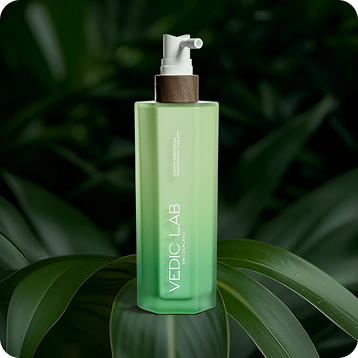


    VEDIC LAB® Overnight Scalp Elixir

    85% users reported reduced hair loss within just 30 days.

    4.6 rated on TRUSTPILOT.


    The hype around this Hair Loss Elixir is deserved.


    It is not a trend-driven product.


    It is not a cosmetic quick fix.


    It is a clinically inspired scalp therapy designed for women experiencing real thinning.


    If you have tried other solutions without success, or if you are looking for a scientifically grounded, root-focused night treatment, this Scalp Elixir remains one of the most compelling options available today.


    Now that it is back in stock, you can purchase it directly without waiting. Subscribing also ensures you never miss a bottle again as demand continues to rise.


    95% users see results within 30 days
  • How Seasonal Changes Impact Your Hair

    How Seasonal Changes Impact Your Hair

    Introduction


    You may have noticed it: more frizz during monsoon, dry ends in winter, or extra shedding during autumn. Just like your skin, your hair and scalp respond directly to changes in weather — from humidity and UV exposure to wind and temperature swings.


    Understanding how each season impacts hair health helps you stay ahead with the right care routine. In this guide, we break down what happens to your hair during each major season and how to adapt.


    Why Weather Affects Hair


    Hair is made primarily of a protein called keratin, and though it’s technically dead, the scalp that produces it is very much alive — and sensitive. Seasonal shifts can affect:


    • Scalp oil production-free
    • Moisture retention in the hair shaft
    • Exposure to UV rays, pollution, or wind
    • Hormonal responses to light or temperature

    Even slight changes in weather can throw off your scalp’s balance and lead to dryness, irritation, breakage, or hair fall.


    Spring: A Time of Transition (and Shedding)


    While cleanliness is important, washing your hair too often or using products with harsh chemicals can damage the scalp’s protective barrier. Common irritants include:


    What Happens


    • Increased daylight triggers hormonal shifts, which can temporarily accelerate shedding
    • Allergies and airborne particles may cause scalp sensitivity
    • As temperatures rise, sweat and oil production increase, especially on the scalp

    Spring Hair Tips


    • Use a clarifying shampoo, once a week to remove pollen, sweat, and buildup
    • Gently exfoliate the scalp to improve circulation
    • Start using lightweight scalp oils to manage early humidity without heaviness

    Summer: UV, Sweat, and Oxidative Stress


    What Happens


    • UVA and UVB rays damage the hair cuticle and scalp cells, leading to dryness and inflammation.
    • Saltwater and chlorine strip moisture from the hair shaft
    • Sweat and sebum increase, which can clog follicles and trigger hair fall if not cleansed properly

    Summer Hair Tips


    • Wear a hat or scarf to protect from direct sun
    • Use hair products with UV filters or antioxidant-rich herbs like amla
    • Wash your scalp regularly with a gentle, cooling cleanser
    • Deep condition weekly to replenish lost moisture

    Monsoon: High Humidity, Flat Hair, and Fungal Risk


    What Happens


    • Humidity causes frizz, loss of volume, and limp strands
    • Rainwater often contains pollutants that irritate the scalp
    • Damp conditions create a breeding ground for fungal infections, like dandruff or itching

    Monsoon Hair Tips


    • Avoid leaving hair damp — always dry your roots thoroughly
    • Use anti-fungal scalp tonics or herbal rinses with neem or tea tree
    • Keep hair loosely tied to reduce tangling and breakage

    Autumn: The “Shedding Season”


    What Happens


    • Many people report increased shedding in autumn, linked to natural hair growth cycles and reduced sun exposure
    • Cooler air can make the scalp more sensitive or flaky
    • Indoor heating begins to dry out the air and your hair

    Autumn Hair Tips


    • Focus on scalp nourishment with almond oil or scalp serums
    • Gently massage to stimulate follicle activity
    • Use silk pillowcases to reduce friction and breakage

    Winter: Dryness, Dullness, and Static


    What Happens


    • Cold air outside and dry indoor heating both pull moisture from hair and scalp
    • Hair becomes more prone to static, split ends, and brittleness
    • Many experience itchy scalp, flaking, or tightness

    Winter Hair Tips


    • Switch to a richer conditioner or weekly hair masks
    • Apply a small amount of leave-in oil to mid-lengths and ends
    • Use a humidifier at home to protect skin and hair from drying out
    • Avoid over-brushing — it increases static and breakage

    Tips for Year-Round Hair Health


    Regardless of the season, these simple habits can help balance your scalp and strengthen your strands:


    1. Listen to Your Scalp


    Tightness, itching, or flakes are signs your scalp needs attention — just like facial skin.


    2. Rotate Products


    Use a clarifying shampoo monthly, a hydrating one weekly, and a scalp treatment as needed based on the weather.


    3. Cover Up


    Don’t underestimate physical protection — from wool beanies in winter to wide-brimmed hats in summer.


    4. Hydrate and Nourish


    Drinking water, eating seasonal fruits, and supporting your body with the right nutrients helps balance the hair cycle from within.


    Final Thoughts


    Seasonal changes are a natural part of life — but they don’t have to mean constant bad hair days. By tuning into how each season affects your scalp and strands, and adjusting your care routine just slightly, you can maintain healthier, more resilient hair year-round.


  • 7 Common Causes of Hair Fall You Might Be Ignoring

    7 Common Causes of Hair Fall You Might Be Ignoring

    Introduction


    Hair fall is one of the most frustrating health concerns — especially when it feels sudden or unexplained. While hereditary factors (like male or female pattern baldness) are well-known, many people experience excessive shedding due to completely preventable lifestyle habits.


    Whether your hair is thinning at the crown, falling out in the shower, or simply not growing like it used to — understanding the root cause is the first step toward healthier, stronger strands. Let’s explore 7 common but often ignored causes of hair fall and how to address them naturally.


    1. Nutrient Deficiencies: The Silent Disruptor


    Hair is made primarily of a protein called keratin, and like any structure in the body, it needs the right building blocks to grow. Iron, vitamin D, zinc, biotin and B12 are all vital for follicle strength and hair production.


    Why It Happens


    Poor diets, chronic stress, or restrictive eating can lead to low nutrient absorption. Even if you eat well, digestive issues (like IBS or leaky gut) may prevent proper uptake of vitamins.


    What You Can Do


    • Add iron-rich foods like spinach, legumes, and pumpkin seeds
    • Spend time outdoors to support natural vitamin D synthesis
    • Consider a blood test to identify and correct deficiencies

    You don’t need to be perfect — just pick one small calming habit you can stick with.


    2. Overwashing or Using Harsh Hair Products


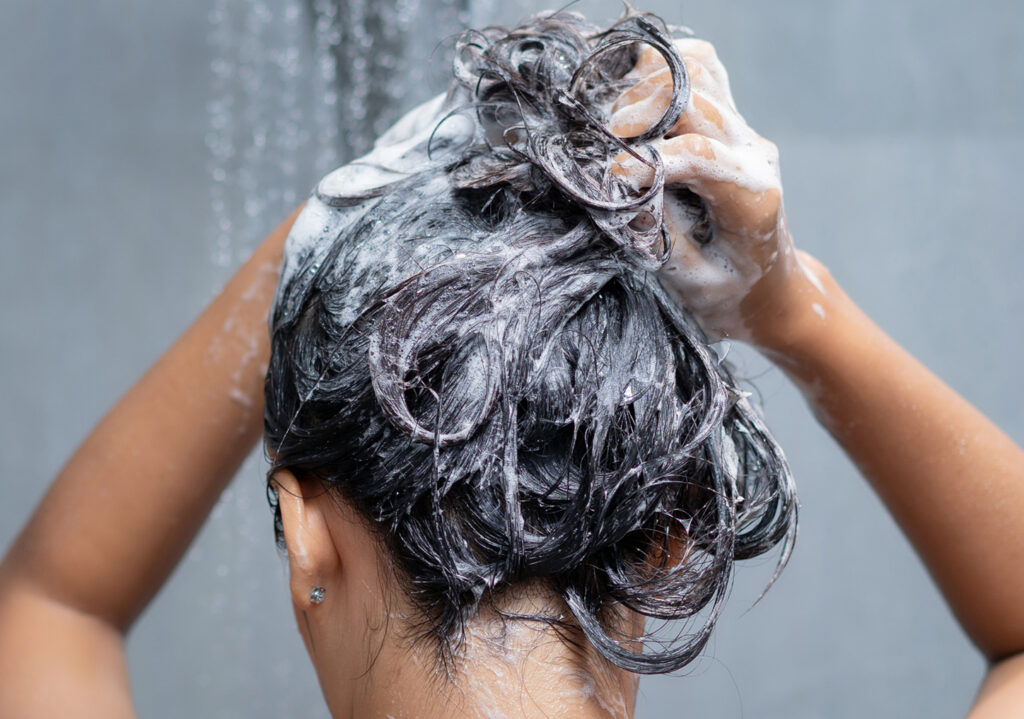
    While cleanliness is important, washing your hair too often or using products with harsh chemicals can damage the scalp’s protective barrier. Common irritants include:


    • Sulfates (like sodium lauryl sulfate)
    • Alcohol-based styling sprays
    • Silicones that create buildup over time

    The Problem


    These ingredients strip away natural oils, leading to dryness, inflammation, and eventually follicle damage.


    Tips to Try


    • Choose sulfate-free, pH-balanced shampoos
    • Wash hair 2–3 times a week unless your scalp gets extremely oily
    • Avoid using very hot water — lukewarm is best

    3. Tight Hiarstyles and Physical Tension on Hair Roots


    Repeatedly wearing tight ponytails, buns, or braids pulls on the hair shaft and puts stress on the roots. Over time, this can lead to traction alopecia, a form of hair loss caused by mechanical stress.


    Signs to Watch For


    • Thinning along the hairline
    • Scalp tenderness
    • Short broken hairs around the forehead

    What You Can Do


    • Alternate with loose hairstyles
    • Sleep with your hair open or in a loose braid
    • Use soft, fabric hair ties instead of elastic bands

    4. Sleep Deprivation and Chronic Stress


    When you’re not sleeping enough, your body enters a constant state of stress — and one of the first systems to shut down is hair growth.


    How Stress Affects Hair


    • It elevates cortisol, which disrupts the normal hair growth cycle
    • It may trigger telogen effluvium, a condition where large numbers of hair follicles enter the resting (shedding) phase prematurely
    • It reduces nutrient absorption and blood flow to the scalp

    Small Daily Changes


    • Stick to a consistent sleep schedule
    • Avoid caffeine late in the day
    • Try short meditations or walks to manage stress levels


    5. Poor Scalp Hygiene and Build-Up


    You might focus on shampooing your hair — but how often do you care for your scalp?


    Why Scalp Care Matters


    The scalp is skin, too. If it’s clogged with dead cells, sweat, product buildup, or pollution, hair follicles can get suffocated. This reduces the quality of hair being produced and may lead to itching, flaking, or visible thinning.


    How to Improve Scalp Health

    • Exfoliate once a week with a gentle scalp scrub or brush
    • Apply light scalp oils that nourish without clogging (like almond or jojoba)
    • Avoid tight hats for long durations that trap heat and sweat

    6. Sudden Weight Loss or Crash Deits


    Going on extreme diets or fasting without professional guidance can lead to shock-induced hair fall. This often shows up 1–3 months after the event.


    What Happens


    • The body redirects energy away from non-essential functions (like hair growth)
    • Reduced fat intake affects hormone balance, including estrogen and thyroid — both important for healthy hair
    • Protein deficiencies slow keratin production

    How to Recover


    • Eat a balanced plate: complex carbs, healthy fats, and lean proteins
    • Aim for gradual weight loss, if needed
    • Add foods rich in omega-3s (like flaxseeds or walnuts) to support the scalp barrier

    7. Heat Styling, Bleaching, and Chemical Treatments


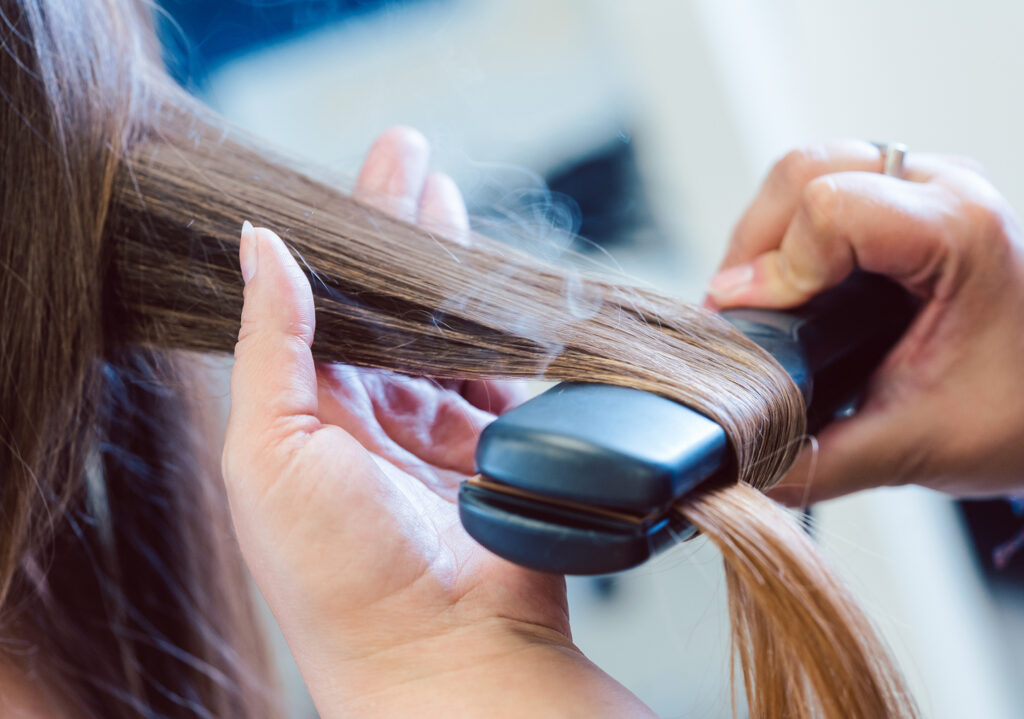
    Daily styling habits can weaken hair over time. Excessive heat, frequent coloring, or keratin treatments can break down the structure of the hair shaft.


    Damage Checklist


    • Split ends
    • Dry, brittle texture
    • Hair that breaks when brushed wet

    Safer Styling Practices


    • Always apply a heat protectant spray before using hot tools
    • Let your hair air dry partially before blow-drying
    • Use a deep-conditioning mask weekly to replenish moisture

    Final Thoughts


    Hair fall doesn’t happen overnight — but neither does regrowth. If you’re noticing more strands on your pillow, in the shower, or thinning around the temples, start by evaluating these seven often-ignored lifestyle factors.


    By addressing the root causes early, you give your hair the best chance to grow back healthier, stronger, and naturally fuller.


  • Could Your Diet Be Affecting Your Hair Health?

    Could Your Diet Be Affecting Your Hair Health?

    Introduction


    When your hair starts falling more than usual, looking dull, or feeling brittle, the first instinct is often to blame products or weather. But one of the biggest influences on your hair’s health is often overlooked: what you eat


    Your hair is made from nutrients you get through food. If your body isn’t getting enough of the right ones — or absorbing them properly — it can start showing up in your strands.


    Let’s break down how food and nutrition affect hair growth, texture, and strength, and how small diet changes can help bring balance back.


    Why Your Hair Needs the Right Fuel


    Hair is made of keratin, a type of protein. For your body to build it, it needs a steady supply of amino acids, vitamins, minerals, and healthy fats.


    When the body doesn’t get what it needs, it focuses on the essentials (like keeping your heart and brain functioning), and hair growth gets pushed to the bottom of the list.


    Even slight changes in weather can throw off your scalp’s balance and lead to dryness, irritation, breakage, or hair fall.


    Problem 1: Low Protein Intake


    What Happens


    Protein is the building block of hair. If you’re not eating enough, or your meals are too carb-heavy, your body has less material to work with.


    What You Might Notice


    • Weak, thin, or slow-growing hair
    • Hair breaks or splits easily
    • A flat, lifeless look


    What You Might Notice


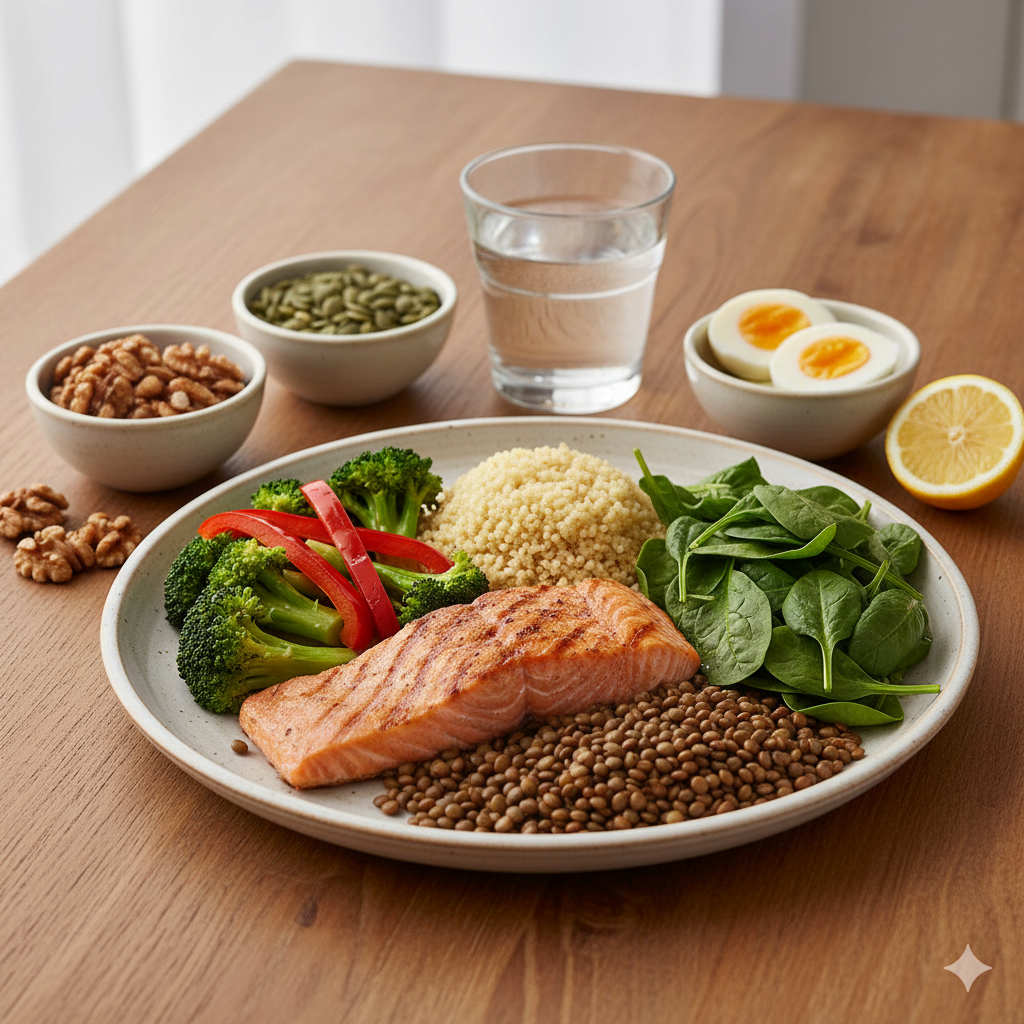
    Include a source of protein in every meal. Try:


    • Lentils, beans, or chickpeas
    • Eggs
    • Tofu or paneer
    • Quinoa
    • Nuts and seeds

    Even small additions — like a spoon of nut butter or seeds sprinkled on a meal — can help.


    Problem 2: Iron Deficiency


    What Happens


    Iron helps carry oxygen to your scalp and hair roots. Low iron means less oxygen gets delivered, which can weaken the follicle.


    What You Might Notice


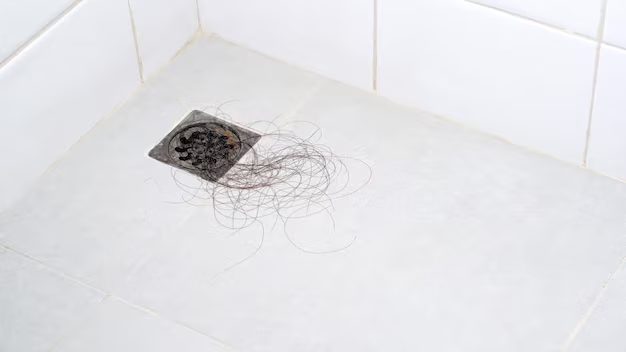
    • More hair in the comb or drain
    • Overall thinning
    • Feeling tired often

    What Helps


    Include iron-rich foods like:


    • Leafy greens (spinach, amaranth)
    • Pumpkin seeds
    • Lentils
    • Quinoa
    • Dried fruits like apricots or raisins

    Even small additions — like a spoon of nut butter or seeds sprinkled on a meal — can help.


    Problem 3: Too Few Calories or Crash Dieting


    What Happens


    When your body doesn’t get enough energy from food, it conserves resources. Hair growth slows or stops until your intake improves.


    What You Might Notice


    • Sudden increase in hair fall
    • Dry, brittle strands
    • Feeling cold, lightheaded, or irritable


    What Helps


    Focus on balanced, consistent meals that include:


    • Complex carbs (brown rice, oats, sweet potatoes)
    • Healthy fats (nuts, seeds, avocados)
    • Enough overall calories to support energy and repair

    Skipping meals or eating too little for long periods can slow down your hair cycle.


    Problem 4: Lack of Key Vitamins and Minerals


    What Happens


    Your body needs specific vitamins and minerals to grow strong, shiny hair. Even a small deficiency can affect how your hair looks and feels.


    What You Might Notice


    • Dry scalp
    • Slower growth
    • Dull color or early greying

    What Helps


    Focus on variety. These nutrients are especially important:


    Nutrient

    Food Sources

    Vitamin B12

    Eggs, dairy, fortified cereals

    Vitamin D

    Mushrooms, sunlight, fortified foods

    Zinc

    Whole grains, legumes, nuts, pumpkin seeds

    B Vitamins

    Oats, leafy greens, bananas, whole wheat


    Try to eat the rainbow — the more colorful and varied your plate, the better your intake.


    Problem 5: Not Drinking Enough Water


    What Happens


    Dehydration can affect your scalp just like your skin — making it dry, tight, or flaky. It also impacts how nutrients are transported in your body.


    What You Might Notice


    • Itchy or flaky scalp
    • Hair that looks dull or frizzy
    • Feeling tired or sluggish

    What Helps


    Drink water regularly throughout the day. You don’t have to overdo it — just aim for 6–8 glasses spread out, and include:


    • Coconut water
    • Fruit-infused water
    • Water-rich foods like cucumber, watermelon, and oranges

    Problem 6: Poor Gut Health = Poor Nutrient Absorption


    What Happens


    Even if you’re eating well, your gut has to absorb the nutrients. If digestion is off, your hair won’t get what it needs.


    What You Might Notice


    • Hair fall even with a good diet
    • Bloating or irregular digestion
    • Tiredness, brittle nails

    What Helps


    Support digestion with:


    • Fermented foods (like yogurt, sauerkraut, or kanji)
    • Chewing your food well
    • Eating slowly and mindfully
    • Avoiding overeating processed or fried foods

    When your gut is balanced, your hair often follows.


    Final Thoughts


    You don’t need a perfect diet or expensive food plan to grow strong, healthy hair. But if your body isn’t getting (or absorbing) the basics — protein, iron, B vitamins, healthy fats, and water — your hair will feel it.


    Focus on eating enough, eating often, and eating a wide variety of foods that your body recognizes and can use.


    Your hair is a reflection of your nourishment. Feed it well — from the inside out.


  • Stress and Hair Fall: What the Research Says

    Stress and Hair Fall: What the Research Says

    Introduction


    “Have you ever gone through a stressful time and noticed more hair on your pillow, in the shower, or stuck in your brush? You’re not alone — and it’s not in your head.”


    Stress can cause real, noticeable hair loss. Whether it’s from burnout, emotional stress, a health scare, or big life changes — stress affects your whole body, including your scalp and hair growth.


    Let’s break down how it works, what science says, and what you can do to help your hair recover.


    How Hair Grows (and Falls)


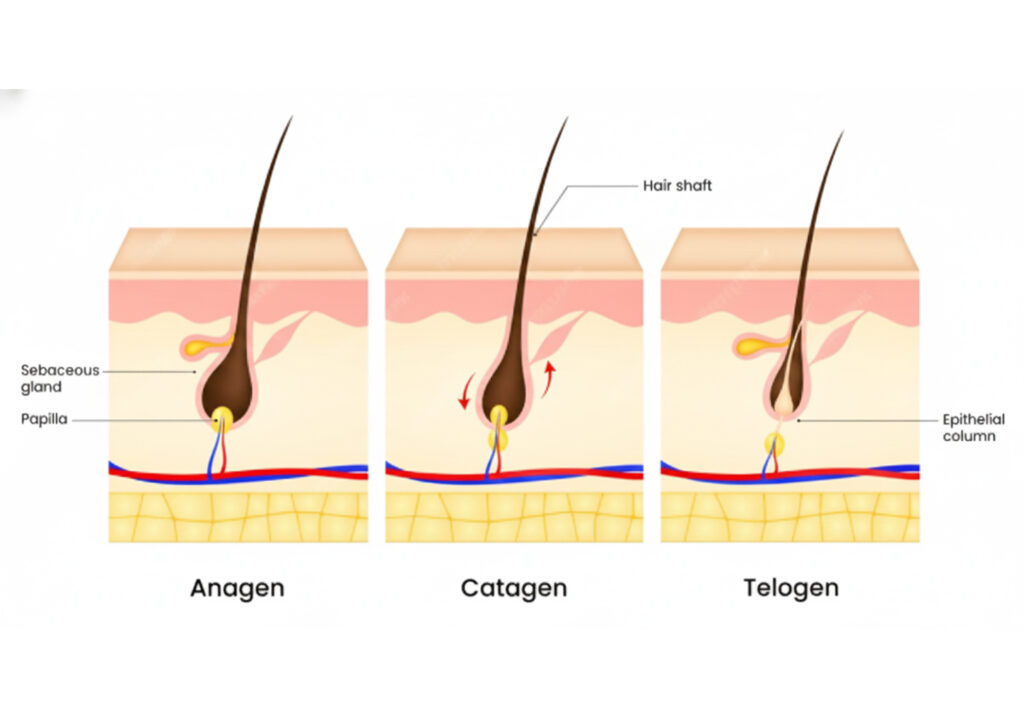
    Your hair grows in a cycle:


    • Growth phase (Anagen): where your hair is actively growing
    • Resting phase (Telogen): where it takes a break and eventually falls out

    Normally, most of your hair is in the growth phase. But when you’re under stress, a lot of hair jumps into the resting phase all at once — and that’s when you notice more shedding. This is called telogen effluvium (don’t worry, it’s temporary).


    Types of Hair Loss Linked to Stress


    1. Telogen Effluvium (Most common)


    Happens about 1–3 months after something stressful — like a breakup, illness, surgery, crash diet, or even emotional burnout. Hair starts falling out more than usual, but the roots are still healthy, and it often grows back.


    2. Trichotillomania


    This is when someone pulls out their own hair due to anxiety or stress. It’s more emotional and might need therapy or support to manage.


    3. Alopecia Areata


    This is when the immune system attacks hair follicles, often triggered by stress. It leads to small bald patches on the scalp or body. A doctor should help with this.


    What Stress Does to Your Hair and Scalp


    Stress affects your body in more ways than you’d think — especially your scalp.


    • Raises cortisol (the stress hormone), which can mess with your hair cycle
    • Reduces blood flow to the scalp — less nutrition for your hair
    • Triggers inflammation, making your scalp itchy, tight, or flaky
    • Disrupts hormones, especially thyroid, estrogen, and testosterone — all important for hair growth

    Signs That Stress Might Be Affecting Your Hair


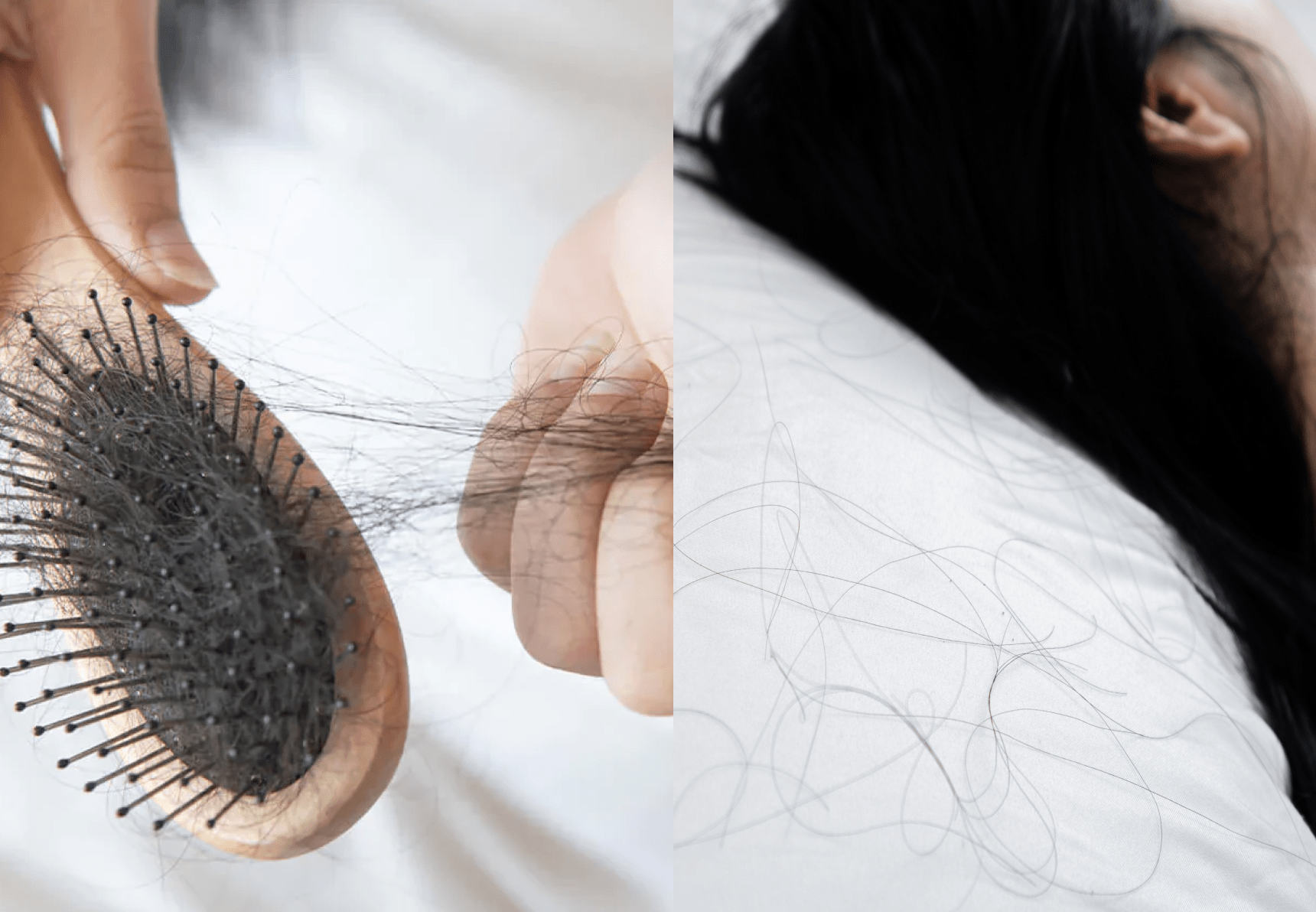
    • Hair coming out in clumps while washing or brushing
    • Thinner ponytail or more scalp showing
    • Hair feels drier or breaks easily
    • Scalp feels sore, tight, or itchy
    • More shedding than usual, especially 2–3 months after a stressful event

    What You Can Do: Simple, Science-Backed Solutions


    1. Start by Managing the Stress Itself


    Your hair can’t heal if your body is constantly tense. Try:


    • Short daily walks
    • Guided breathing or meditation apps (even 5 minutes helps)
    • Journaling before bed
    • Cutting back on overwork or too much screen time
    • Talking to someone you trust

    You don’t need to be perfect — just pick one small calming habit you can stick with.


    2. Give Your Scalp Some Love


    When you’re stressed, your scalp gets tight and irritated. That blocks healthy growth.


    • Massage your scalp for 2–3 minutes a day with your fingers
    • Use light oils like almond, brahmi, or coconut oil
    • Keep products simple — avoid heavy buildup or harsh treatmentsTalking to someone you trust


    3. Support Your Body with the Right Nutrients


    When your body is stressed, it burns through nutrients faster — and your hair needs these to stay strong:


    • Iron (leafy greens, lentils)
    • Vitamin D (sunlight or supplements)
    • B-complex vitamins (whole grains, nuts, eggs)
    • Magnesium (bananas, dark chocolate, pumpkin seeds)
    • Ashwagandha or adaptogens (help lower stress naturally)

    Ask your doctor before adding supplements — or start with whole foods.


    4. Sleep = Hair Repair


    Sleep is the time your body heals — including your scalp. Less sleep = more cortisol = more hair fall.
    Aim for 7–8 hours of rest with minimal screens or caffeine before bed.


    5. Be Gentle and Patient


    Don’t panic if you’re seeing hair fall — if it’s from stress, it usually grows back in a few months once your body feels safe again.


    • Avoid chemical treatments or constant heat styling
    • Use soft towels and gentle brushes
    • Focus on consistency, not perfection

    When to See a Doctor


    If your hair fall is sudden, patchy, or keeps getting worse even after 3–4 months:


    • Get blood tests (iron, thyroid, B12, Vitamin D)
    • Talk to a dermatologist or hair specialist
    • Consider emotional support or therapy if stress feels overwhelming

    Final Thoughts


    Hair loss from stress is real — but you’re not stuck with it forever. Your body just needs some time, support, and a little care to recover.


    By lowering stress, nourishing your body, and caring for your scalp gently, you’re already helping your hair regrow — even if you can’t see it just yet.


  • Doctor Ranks Top 3 Trending Hair Growth Solutions. Only One Hit 85% Success.

    Doctor Ranks Top 3 Trending Hair Growth Solutions. Only One Hit 85% Success.

    It’s natural to feel doubtful.

    The internet is full of “breakthrough” hair growth remedies that trend for a moment, only to collapse when tested in a medical setting.


    As patient questions about these popular products increased, I chose to run a structured review rather than rely on assumptions.


    ✅ I studied peer-reviewed studies.

    ✅ Mapped the actions of the ingredients.

    ✅ Assessed complete formula in detail.

    ✅ Measured user feedback against objective clinical outcomes.


    My expectation was simple: confirm once again that the hype outweighed the evidence! But this investigation took an unexpected turn.


    Among the products, only one stood out. It combined clinically relevant ingredients with mechanisms that target the actual drivers of hair thinning. More importantly, it matched the science with practical design, making it realistic for everyday use and long-term adherence.


    This is what I consistently explain to my patients about hair loss and regrowth:

    1. Hair itself is composed of dead keratin cells, what you see on the surface is not alive.
    2. True hair health starts deeper, within the follicles, located 4 mm beneath the scalp.
    3. To reduce shedding and encourage growth, the key is consistent nourishment of those follicles at the root level.

    Because shampoos, conditioners, and regular oils remain on the surface, they cannot effectively reach or nourish the follicles beneath the scalp. A targeted Scalp Elixir, however, is designed to penetrate where it matters most. That’s why choosing the right one — and using it consistently — is essential. It’s the only reliable approach to strengthening hair from the roots and encouraging thicker, healthier growth.


    But the real question is: how can you tell which Scalp Elixir or serum is actually worth using? To make that choice easier, I’ve put together a simple guide that highlights the essentials you should look for.


    An effective Scalp product should meet three essential criteria:


    These criteria already narrow down the options, but identifying the best solution requires much deeper investigation.


    That is precisely what I’ve spent the past several months doing — examining the research in detail, reviewing every clinical trial, analyzing each ingredient and claim, and considering how the products perform in real use. The result is a ranking that I can confidently stand behind.


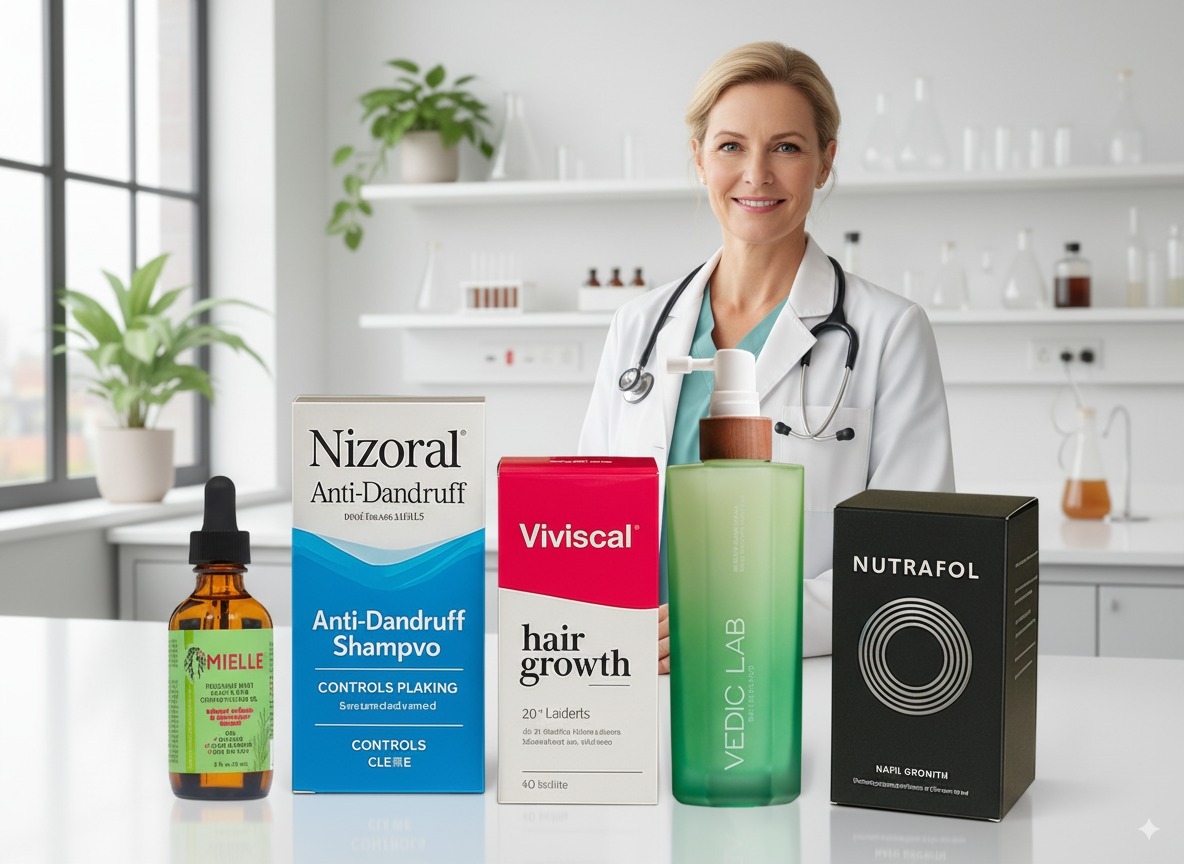
    DR. PETRA’s No. 1 TREND PICK


    VEDIC LAB®

    Scalp Elixir

    85% users reported reduced hair loss within just 30 days.

    4.6 rated on TRUSTPILOT.


    Dr. PETRA H.


    Real results from ✓ verified buyers

    • Patent-filed formula using Ayurvedic herbs (Self Heal, Bakuchiol, Brahmi, Flaxseeds) enhanced with Swiss biotech.
    • Clinically proven, visible results starting within first 30 days (85% of users).
    • 99%+ natural, no harsh Minoxidil.
    • Simply to use, outstanding experience. No need to rinse or wash off.

    × Drawback

    • Premium price (though comes with a money-back-guarantee)

    Normally at €98, they offer 10% off for 1st time buyers when signing up for their newsletter.


    CHF/€ 88.20


    30 day money-back guarantee • Free shipping


    TRENDING SUPPLEMENT

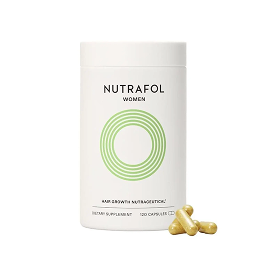
    Nutrafol Women

    “Solid nutritional support – though supplements work differently than topicals.”


    • Addresses nutritional/stress factors
    • May help with overall hair quality

    × Trade-offs

    • Indirect approach (works internally)
    • Results depend on root cause
    • Does not tackle hair follicle nourishment.

    69 €

    4 pills daily • Results in 3-6 months


    TRENDING OIL


    rosemary-oil

    Mielle Rosemary Oil

    “Solid marketing, smells good but won’t help with what’s gone”


    • Low price point
    • More traditional in approach.

    × Trade-offs

    • Oils do not penetrate to hair follicles.
    • Results lack clinical depth.
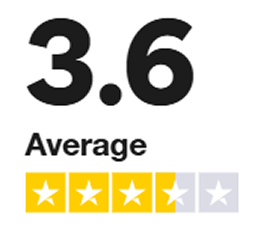
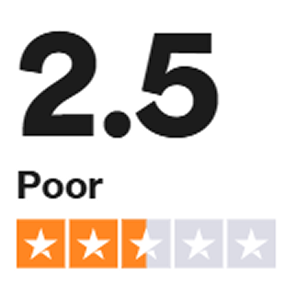
    • Low rated on Trustpilot by real users

    25 €

    Needs daily massage • Maintenance not regrowth


    When I reached out to VEDIC LAB® to ask the hard questions that usually brands don’t answer, I was pleasantly surprised on how honest, open and informed they were to answer all my queries.


    Not with overblown marketing promises and hype, but with real science, data and transparency. That helped me understand and appreciate their approach even more than before.


    Most brands use common formulas and so its usually very hard to tell which one is truly innovative and superior. Not VEDIC LAB®. 
Their scientists studied Ayurveda’s natural systems and herbs and developed a unique formula that stands apart from all others.


    • All ingredients sourced with Swiss precision and quality for best results.
    • Not just herb extract, they specialize in enhanced biotechnology of each herb.
    • Unlike others that use water as the base, VEDIC LAB® uses vitamin-rich Almond Milk.
    • The texture is ultra-light, fully absorbs without any residue, and smells great.
    • No hormone altering harshness like Minoxidil.


    Led by independent, 3rd party dermatologists, the clinical study conducted in Milan with complete protocols:

    a) instrumentally measured by doctors.

    b) as well as consumer feedback.


    The results shows the nourishing hair follicles not only reduced hair loss, it in fact increases hair strength and shine too.


    The hair follicles were not only repaired, they were now at their best possible health and strength.


    Everything sounded promising but I wanted to speak with actual users of the product. The team at VEDIC LAB® let me contact a few of their verifiable customers in a private 1:1 dialogue where I could ask them everything thoroughly.


    “I was a little depressed when it came to my hair. They were falling off, I got no answers or support, and truly felt all alone.”

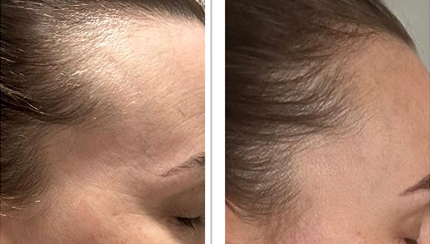
    It dawned on me that hair loss can be very stressful for some of us. And that’s why I was so glad to see Sophie’s hair transformation results cause it really seemed to have done wonders to her confidence. What was amazing was how well she documented her results: photos that captured week on week progress.


    Month 1 came with a few noticeable changes: mainly the number of hair on the sink were far lesser than before. Clearly, her hair loss was reducing.. fast!


    “The big moment came in the 4th month” she said. “I met my old college friend after many months and she couldn’t stop asking me about my hair secret. The transformation was clearly visible to her too.”


    Real change comes with consistent use.


    It was very interesting to note that VEDIC LAB® offers a money-back guarantee on their products, even when they have an “excellent” rating on TrustPilot and are approved by Trusted Shop as well.


    That shows to me that they are confident consumers will not have any negative reaction and in fact start noticing initial improvements — fast. And not have to wait for 90 days or 150 days like they have to with other brands.


    That’s a really strong promise if you ask me! Noticing results is one thing. Noticing them within 30 days? that’s amazing.


    A money back guarantee shows me how confident they are of their efficacy and lack of harshness. It shows real confidence in their formulas and products.


    Their return rate of <1% backs this up.


    VEDIC LAB® not only works, it truly stands out as a superior innovation in the category with real science, and real results.
    Its a rare gem in a sea of products that is natural yet clinically proven with a patent-filed formula. Its surely something I’ve begun to recommend to my patients and I suggest it for anyone looking for quality products for hair.